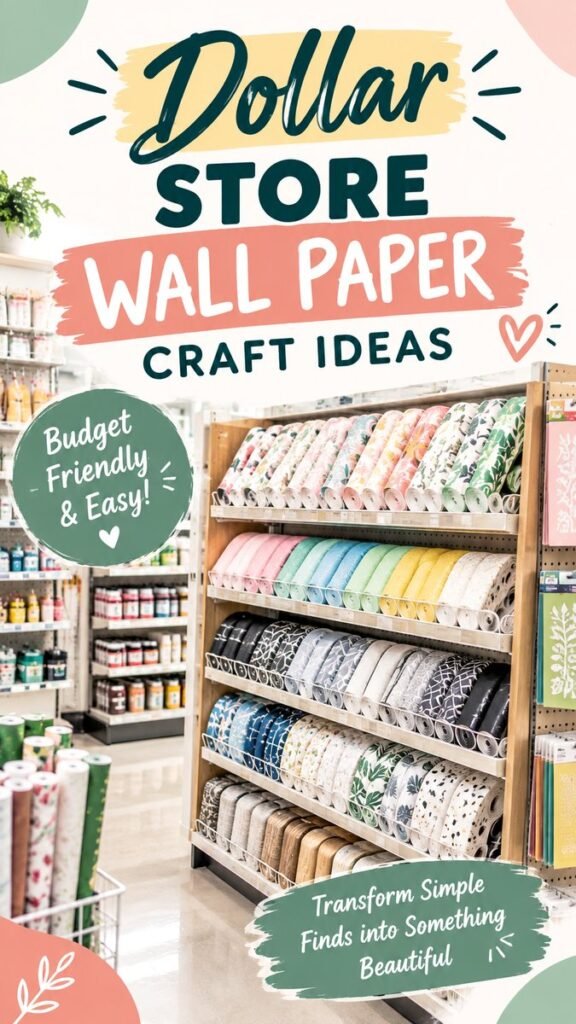
DIY wallpaper crafts are a clever way to turn beautiful patterns into practical and decorative projects without spending a fortune. A simple roll of wallpaper can become much more than a wall covering. With the right pattern, a little creativity, and a few basic supplies, you can create attractive accents for furniture, storage, shelves, trays, and other everyday pieces around your home. The colorful wallpaper display shown here is a great reminder that affordable materials can inspire surprisingly stylish DIY projects.
Whether you have leftover wallpaper from a decorating project or find an inexpensive roll at a dollar store or craft section, there are plenty of ways to put it to use. The key is choosing projects that allow the pattern to become part of the finished design rather than treating wallpaper as something that belongs only on a wall.
Key Takeaways
- Wallpaper can transform ordinary household items into decorative accents.
- Small wallpaper scraps are useful for quick, budget-friendly crafts.
- Choose patterns that complement the colors and style of your existing decor.
- Smooth, clean surfaces generally give the neatest finished results.
- Layering wallpaper with paint, trim, or simple hardware can create a more customized look.
- Testing a small piece first can help prevent wasted material.
Why DIY Wallpaper Crafts Are Worth Trying
Wallpaper is naturally designed to make a visual statement, which makes it an excellent material for crafts. A single pattern can introduce color, texture, movement, or personality to an otherwise plain object. Instead of buying new decorative pieces, you can update items you already own with a small amount of wallpaper.
DIY wallpaper projects are also flexible. You can create something subtle by covering the inside of a cabinet or drawer, or make a bold statement by decorating the front of a piece of furniture. Floral prints, geometric patterns, botanical designs, stripes, and soft neutral textures can all create completely different moods.
Important: The most successful wallpaper crafts usually balance pattern with simplicity. If the wallpaper has a strong design, let it remain the star and keep the surrounding details understated.
Easy DIY Wallpaper Ideas for Home Decor
You do not need advanced crafting skills to experiment with wallpaper. Many projects involve measuring, cutting, applying adhesive, and smoothing the material into place. Start with smaller surfaces if you are new to wallpaper crafts, then move toward larger projects as your confidence grows.
1. Refresh a Small Tray
A plain wooden, plastic, or metal tray can become a decorative piece with a wallpaper insert. Measure the base of the tray, cut the wallpaper carefully, and secure it to the surface using an adhesive suitable for the material.
This idea works particularly well with botanical, geometric, or softly colored patterns. The finished tray can be used as a decorative display piece or for organizing small items. If you want extra protection, consider adding an appropriate clear protective finish once the wallpaper adhesive has fully set.
2. Line the Back of a Bookcase
One of the easiest ways to use wallpaper is on the back panel of open shelving. Instead of covering an entire piece, add wallpaper only to the recessed background. This creates a decorative backdrop while keeping the shelves themselves simple.
A patterned background can make books, baskets, plants, and decorative objects stand out. For a calmer appearance, choose wallpaper in colors that already appear elsewhere in the room.
3. Decorate Drawer Interiors
Wallpaper can add a pleasant surprise inside drawers. This is especially useful for desks, nightstands, dressers, and storage cabinets that look plain on the outside.
Measure the drawer base carefully and cut the wallpaper so it fits neatly. Because drawer interiors experience regular use, choose a suitable adhesive and make sure the surface is clean and dry before application.
4. Create Decorative Storage Boxes
Plain storage boxes are practical, but they do not always add much personality to a room. Wallpaper can completely change their appearance. Cover the outside of a sturdy box, or decorate only the lid for a simpler project.
Matching several boxes with the same wallpaper can create a coordinated storage system. Alternatively, use complementary patterns to create a playful collection that works well on open shelves.
5. Give Old Furniture a New Look
Wallpaper can be especially effective on small furniture pieces. Consider using it on the front of cabinet doors, the sides of a bookshelf, the back of a small cabinet, or the surface of a simple table where appropriate.
You do not necessarily have to cover the entire piece. A partial wallpaper treatment can feel more modern and allows paint, natural wood, or existing finishes to remain visible.
6. Make Simple Wall Art
Beautiful wallpaper does not have to be permanently attached to furniture to be useful. Small sections can be framed to create inexpensive wall art. This is a particularly easy option when you have leftover wallpaper scraps that are too small for larger projects.
Choose a frame that complements the wallpaper rather than competing with it. A simple neutral frame can allow a colorful pattern to stand out, while a decorative frame can work nicely with a softer wallpaper design.
Choosing the Right Wallpaper for Crafts
The wallpaper you choose has a major impact on the finished project. When shopping for inexpensive wallpaper, look beyond the price and consider the scale of the pattern, the thickness of the material, the surface you want to cover, and the overall color palette.
Think About Pattern Scale
Large patterns can look dramatic on broad surfaces, while smaller patterns are often easier to work with on boxes, trays, drawers, and small furniture. If you are cutting around corners or edges, a simpler pattern may also make alignment easier.
Coordinate Colors With Your Space
Wallpaper crafts look more intentional when their colors connect with the surrounding decor. Look for one or two colors from the room and choose wallpaper that repeats or complements those shades.
For example, a neutral room can handle a soft botanical pattern, while a colorful craft space might look great with a playful geometric design. You can also use wallpaper as the inspiration for a small decor color palette.
Expert Insight
Wallpaper works best as a design accent when the pattern has a clear purpose. Before cutting, place the wallpaper loosely against the project and step back. This simple test helps you see whether the pattern feels balanced with the rest of the piece.
Basic Supplies for DIY Wallpaper Projects
Many wallpaper crafts require only a small collection of everyday tools. Having the right supplies ready can make cutting and application much easier.
- Wallpaper or decorative wallpaper scraps
- Measuring tape or ruler
- Pencil for marking measurements
- Sharp craft scissors
- Craft knife for precise straight cuts
- Suitable wallpaper or craft adhesive
- Squeegee, smoothing tool, or clean flat card
- Clean cloth for wiping the work surface
- Protective finish when appropriate for the project
Always choose adhesive and protective products according to the surface and material you are working with. If you are unsure, test the combination on a small hidden area before completing the full project.
How to Apply Wallpaper Without the Mess
A neat application starts before the adhesive ever touches the project. Clean the surface thoroughly and allow it to dry. Remove loose dust, grease, or residue that could prevent the wallpaper from adhering properly.
- Measure carefully. Measure the surface more than once before cutting.
- Plan the pattern. Decide where important parts of the design should appear.
- Cut with a sharp tool. Clean edges make the finished craft look much more professional.
- Apply gradually. Avoid attaching the entire piece at once when the material allows for gradual application.
- Smooth from the center outward. This can help reduce visible bubbles and wrinkles.
- Check the edges. Make sure corners and borders are firmly attached.
- Allow it to set. Give the adhesive enough time to dry before heavy handling.
Pro Tip: Keep a small amount of extra wallpaper instead of cutting everything to the exact minimum. Extra material can be helpful for matching a pattern, correcting a mistake, or repairing a damaged section later.
Creative Ways to Mix Wallpaper With Other Materials
Wallpaper becomes even more interesting when combined with other simple materials. You can pair it with painted wood, natural wood tones, baskets, metal hardware, ribbon, or simple decorative trim.
For a modern look, try a bold wallpaper pattern against a clean painted surface. For a softer cottage-inspired appearance, botanical wallpaper can work beautifully with light wood and woven textures. Geometric wallpaper can create a more contemporary feeling when paired with simple black, white, or neutral accents.
Another option is to use several coordinating wallpaper designs throughout a room. You might line one set of drawers with one pattern and use another complementary pattern inside nearby storage boxes. The result feels collected rather than overly matched.
Budget-Friendly Wallpaper Crafting Tips
You do not need a large quantity of wallpaper to create attractive projects. Small surfaces can make even a single roll go a long way. Look for opportunities where only a narrow panel or small insert needs decorating.
- Start with small projects if you are experimenting with a new technique.
- Save leftover scraps for future crafts.
- Use cardboard templates before cutting expensive or limited material.
- Rotate the wallpaper to see which section of the pattern looks best.
- Combine wallpaper with paint to reduce the amount of material needed.
- Use leftover pieces for matching accessories.
The display of colorful wallpaper rolls shown in the inspiration is a great example of how many different directions a simple material can take. Instead of seeing wallpaper as a single-purpose decorating product, think of each pattern as a source of craft possibilities.
Common Mistakes to Avoid
Wallpaper crafts are generally approachable, but a few common mistakes can affect the final result. Cutting before measuring is one of the easiest ways to waste material. Always check dimensions and consider the pattern placement before making your final cut.
Another common issue is applying wallpaper to a dirty or uneven surface. Dust and residue can interfere with adhesion, while bumps may remain visible through thinner materials.
It is also important not to rush the smoothing process. Working slowly gives you more control and makes it easier to correct small wrinkles before the adhesive sets.
Test Before Committing
If you are decorating an unfamiliar material, make a small test piece first. This lets you see how the wallpaper reacts to the surface and whether the adhesive is appropriate. It also gives you an opportunity to evaluate the colors and pattern before completing the entire project.
DIY Wallpaper Ideas for Different Rooms
Wallpaper crafts can be adapted to almost any part of the home. In a bedroom, try decorating drawer fronts, storage boxes, or a small bedside piece. In a home office, patterned organizers and shelf backings can add personality without taking up additional space.
For a craft room, wallpaper-covered boxes can help make practical storage more attractive. In a living room, framed wallpaper samples or a decorated tray can provide inexpensive decorative accents. Even a small entryway can benefit from wallpaper-lined storage or an updated console detail.
The goal is not to fill every available surface with pattern. Instead, use wallpaper selectively to create moments of interest throughout the room.
At a Glance
- Use wallpaper to refresh ordinary decor pieces.
- Choose patterns that complement your existing color palette.
- Measure and plan pattern placement before cutting.
- Apply wallpaper slowly and smooth it carefully.
- Save scraps for small future crafts.
Final Thoughts on DIY Wallpaper Crafts
DIY wallpaper is an easy way to bring fresh color and personality into everyday home projects. You can transform a simple tray, storage box, shelf, drawer, furniture panel, or frame with surprisingly little material. The best part is that the possibilities change with every wallpaper pattern you discover.
Affordable wallpaper becomes especially useful when you approach it as a craft material rather than limiting it to traditional decorating. Start small, experiment with pattern placement, and use colors that make sense for your space. As your confidence grows, you can move on to larger and more ambitious projects.
The biggest DIY wallpaper idea is simple: you do not need an expensive makeover to make a noticeable difference. A thoughtful pattern, careful measurements, and a little creativity can turn an ordinary object into something that feels completely new.
Whether you are looking for budget home decor, easy craft projects, or creative ways to use leftover materials, wallpaper offers plenty of inspiration. Pick a pattern you love, choose one small project, and see where your creativity takes you.