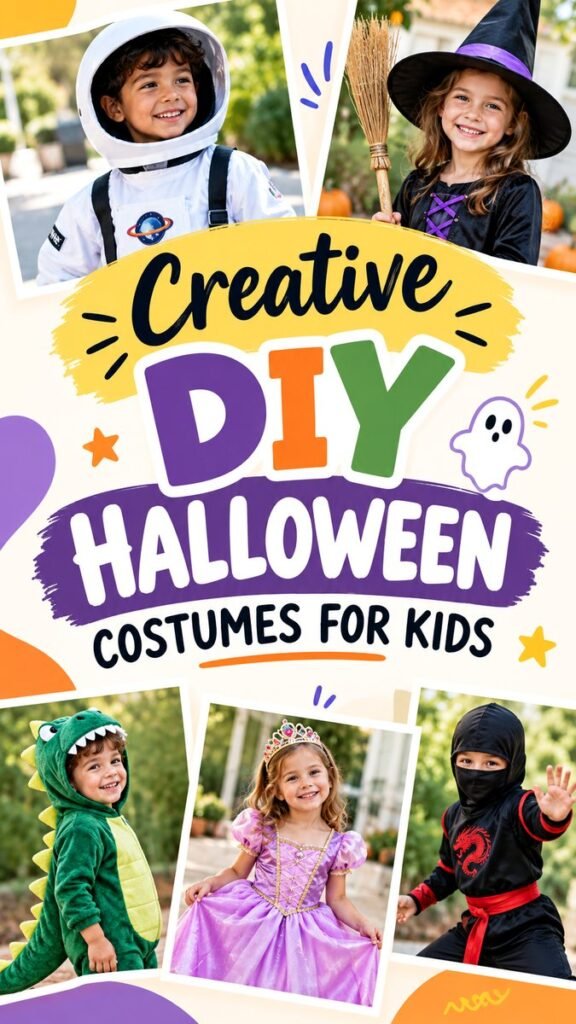
Halloween is the perfect time to turn everyday creativity into something kids can wear, and DIY Halloween costumes for kids make the process even more memorable. A homemade costume does not need to be complicated, expensive, or perfectly polished to be exciting. With a little imagination, simple clothing, craft supplies, cardboard, fabric, and a few clever details, families can create fun looks that feel completely personal. From colorful character-inspired outfits to clever costumes built around familiar objects, there are countless ways to make Halloween special while keeping the project manageable.
Key Takeaways
- DIY costumes can be creative without requiring advanced crafting skills.
- Everyday clothing and household materials can become the foundation of a great Halloween look.
- Letting kids help choose colors, characters, and accessories makes the costume more personal.
- Comfort matters, especially when children will wear the costume for several hours.
- Simple visual details can make an inexpensive homemade costume stand out.
- Planning ahead gives you more time to test the fit and make small improvements.
Why DIY Halloween Costumes for Kids Are So Much Fun
There is something special about a costume that starts as a simple idea and becomes a finished outfit through creativity. DIY Halloween costumes for kids encourage imagination while giving families an opportunity to make something together. Instead of choosing a standard costume straight from a package, children can help shape the final design and add details that reflect their personality.
The colorful costume ideas shown in this style of inspiration range from playful characters to imaginative homemade concepts. A child might become an astronaut, dinosaur, princess, ninja, robot, favorite food, or completely original creation. The possibilities are wide because DIY Halloween costumes are not limited to one particular style.
Important: The best DIY costume is not necessarily the most complicated one. A clear concept, comfortable fit, and a few memorable details can create a much stronger look than an outfit overloaded with decorations.
Start With Your Child’s Favorite Idea
The easiest way to begin a homemade Halloween costume is to ask what your child wants to become. Their answer can guide the colors, clothing, materials, and accessories you need. One child may immediately choose a dinosaur, while another may prefer a space explorer, princess, ninja, superhero, animal, or funny food-inspired costume.
Starting with an idea your child genuinely enjoys also makes the creative process easier. Instead of trying to follow every Halloween trend, focus on the theme that makes them excited. A simple costume can become much more impressive when the child loves wearing it.
Think Beyond Traditional Costumes
Some of the most memorable DIY Halloween costumes come from unexpected ideas. Household objects, favorite snacks, toys, animals, occupations, games, and everyday objects can all become inspiration. A large cardboard box can become a vehicle, machine, vending display, or imaginative prop. Plain clothing can become the foundation for dozens of different characters.
Look around your home before purchasing supplies. Old boxes, paper, fabric scraps, craft foam, felt, ribbon, washable paint, and unused accessories can often provide enough material for a creative project.
Easy DIY Halloween Costume Ideas for Kids
When choosing a costume project, consider how much time you have and how comfortable your child needs to be. The following categories offer flexible starting points that can be adapted for different ages and skill levels.
Astronaut Costumes
Astronaut costumes are a fun choice for children who love space and adventure. A light-colored outfit can serve as the base, while cardboard, paper details, straps, and a homemade helmet can create the appearance of a space suit. Simple badges or colorful patches can add character without making the costume difficult to assemble.
The key is creating recognizable visual details rather than reproducing a complicated professional space suit. A helmet, backpack-style accessory, and a few carefully placed shapes can immediately communicate the theme.
Dinosaur Costumes
Dinosaur costumes are especially adaptable for DIY projects. Green clothing can form the base, while felt or foam can be used for spikes, scales, claws, or a tail. Different shades of green, yellow, orange, or brown can give the costume a playful appearance.
For younger children, prioritize lightweight materials and secure construction. Soft fabric pieces are often easier to wear than rigid accessories, particularly when children will be running around during Halloween activities.
Princess and Storybook Looks
A simple dress can be transformed into a creative princess costume with a handmade crown, sash, cape, decorative belt, or colorful accessories. You do not need a complicated gown to create a recognizable fantasy-inspired outfit.
Encourage kids to choose their favorite colors and decorative elements. A homemade crown made from sturdy paper or craft foam can become one of the most noticeable parts of the entire costume.
Ninja and Action-Inspired Costumes
Dark clothing can provide a simple foundation for a ninja-inspired costume. Fabric strips, a colored sash, lightweight accessories, and carefully chosen details can complete the look. Keep all accessories comfortable and safe for movement.
The same basic approach works for other action-inspired costumes. Begin with clothing that already fits well, then add only the visual elements needed to communicate the character.
Funny Food and Everyday Object Costumes
For families looking for something more unusual, food and household objects offer endless inspiration. The reference style of playful DIY costumes demonstrates how ordinary concepts can become entertaining Halloween outfits. A large cardboard shape, printed label, fabric covering, or colorful paper decoration can turn a child into a recognizable object or favorite treat.
These costumes are especially useful when the goal is to create something funny and memorable without relying on complicated sewing. Focus on the silhouette and a few recognizable details, and the idea can often speak for itself.
Expert Insight
A successful homemade costume usually has one strong visual idea. Choose the main feature first, then add supporting details. This keeps the project affordable, recognizable, and easier for children to wear.
How to Make DIY Costumes Easier
DIY does not mean everything has to be handmade from scratch. One of the smartest approaches is to combine clothing you already own with a few handmade pieces. This saves time and creates a costume that is usually more comfortable than an outfit built entirely from craft materials.
Build Around a Comfortable Base
Start with pajamas, leggings, sweatpants, a simple dress, a T-shirt, or another comfortable outfit that matches the costume theme. This base should allow your child to walk, sit, bend, and play easily.
Once the base is selected, add the costume-defining features. This might be a cardboard accessory, colorful cape, handmade headpiece, tail, belt, badge, or decorative panel. Keeping the base simple makes the rest of the project much easier.
Use Simple Craft Materials
You can create impressive results with inexpensive supplies. Cardboard is particularly useful because it is lightweight, easy to cut, and simple to decorate. Felt is another versatile option for shapes, patches, ears, tails, and colorful accents.
- Cardboard boxes for large costume structures and props
- Felt for soft decorative shapes
- Craft foam for lightweight details
- Ribbon or fabric strips for belts and accents
- Washable paint for colorful surfaces
- Paper for badges, signs, crowns, and small decorations
- Fabric scraps for capes, sashes, and simple accessories
Choose a Small Color Palette
Color can make a homemade costume look much more intentional. Rather than using every color available, select two or three main shades that clearly support the theme. A dinosaur might use greens with a lighter belly, while a space-themed outfit could combine white with a few bold accent colors.
Consistent colors also make photographs look more polished. This matters when families want to capture Halloween memories for albums, social posts, or Pinterest inspiration.
Make the Costume Kid-Friendly
A costume can look amazing in a photo and still be difficult to wear. Before Halloween arrives, have your child try on the completed outfit and walk around in it. Check whether anything feels tight, heavy, scratchy, loose, or difficult to manage.
Pay particular attention to headpieces and accessories. They should stay comfortably in place without creating pressure. Large props should also be lightweight enough for the child to carry safely.
Pro Tip: Do a full costume test before Halloween night. A five-minute trial can reveal uncomfortable seams, loose pieces, awkward lengths, or accessories that need adjustment before the big event.
Keep Movement in Mind
Kids rarely stay still on Halloween. They walk, run, sit, dance, collect treats, and visit different places. A costume should support that activity rather than get in the way.
Avoid unnecessary layers or oversized pieces that make movement difficult. If the costume includes a large cardboard component, make sure there is enough room for the child to move comfortably. Lightweight construction is almost always preferable for active children.
Turn Costume Making Into a Family Activity
One of the biggest benefits of DIY Halloween costumes is the creative time spent together. Children can help with safe tasks such as choosing colors, arranging decorations, drawing designs, cutting paper with supervision, or deciding where accessories should go.
Older kids may enjoy taking more responsibility for the design. Younger children can participate through simple choices, such as selecting between two colors or deciding which accessory should be added first. The process becomes part of the Halloween experience rather than just a preparation task.
Create a Simple Costume Plan
- Choose the main costume idea.
- Select comfortable clothing for the base.
- Write down the three most important visual details.
- Gather materials you already have at home.
- Make the largest pieces first.
- Add small decorations after the main structure is complete.
- Try everything on and adjust the fit.
Budget-Friendly Halloween Costume Tips
Creating a DIY costume can be an affordable alternative to buying a completely new outfit, especially when you reuse items already available at home. Before shopping, search through closets, craft drawers, storage boxes, and old costumes for useful pieces.
Repurposing materials also gives costumes more personality. A plain cardboard box can become the base for an elaborate-looking prop with paint and paper details. An old sweatshirt may become part of an animal costume. Fabric scraps can turn into colorful accessories.
Another useful strategy is to spend money only on the detail that makes the costume recognizable. If the basic outfit already works, you may only need one distinctive accessory to complete the concept.
Make DIY Halloween Costumes Photo-Ready
The colorful collage style associated with Halloween inspiration works especially well for Pinterest because it shows multiple ideas at once. If you are photographing your child’s finished costume, natural light can help show colors and textures clearly. A simple background keeps attention on the outfit.
For a memorable photo, let the child interact with the costume rather than simply standing still. A space-themed outfit can include a playful explorer pose, while an animal costume can be photographed in motion. Genuine expressions often make homemade costume photos feel more lively.
When creating a collection of costume ideas for a blog or Pinterest board, vary the visual concepts. Include character-inspired outfits, funny costumes, simple last-minute options, and creative cardboard projects. This gives parents more possibilities to save and revisit.
Why Simple Ideas Often Work Best
Halloween creativity is not about producing a perfect costume. Children remember the excitement of becoming something they love, showing friends their outfit, and taking part in the celebration. A simple costume can be just as successful as a highly detailed one when it feels comfortable and reflects the child’s interests.
The strongest DIY Halloween costumes for kids often combine a recognizable theme with one or two creative details. That balance keeps the project achievable while still giving the finished outfit a distinctive look.
Quick Points
- Start with an idea your child genuinely loves.
- Reuse comfortable clothing as the costume foundation.
- Focus on one memorable feature instead of too many details.
- Test the full outfit before Halloween.
- Use simple colors and lightweight materials for easy wear.
Conclusion: Create a Costume They Will Remember
DIY Halloween costumes for kids are a wonderful way to combine imagination, creativity, and family fun. Whether the finished look is inspired by space, animals, fantasy, action characters, food, or an entirely original idea, the goal is to create something children feel excited to wear.
Start with a comfortable base, choose a clear theme, and build the costume with simple materials and a few strong details. Let your child participate in the creative decisions, test the outfit before Halloween, and keep comfort at the center of the design. With these simple steps, even an ordinary collection of household supplies can become a fun and memorable Halloween costume.
Save these DIY Halloween costume ideas for kids and return to them when Halloween planning begins. A little creativity can turn a simple idea into a costume that feels completely unique, playful, and personal.