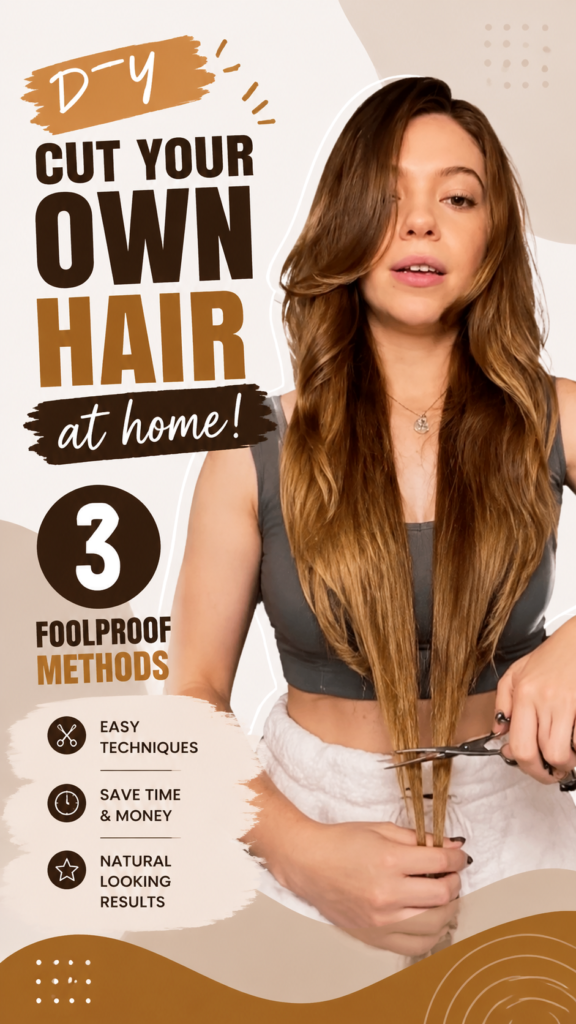
Cutting your own hair at home can feel intimidating at first, but with the right approach, simple tools, and a little patience, it is possible to refresh your look without a salon appointment. DIY haircuts have become increasingly popular for people who want more control over their style, save time, and learn practical beauty skills. Whether you want to remove split ends, create soft layers, or maintain your current hairstyle, learning basic at-home haircut techniques can help you feel more confident with your hair routine.
A successful DIY haircut is not about making dramatic changes immediately. It is about understanding your hair type, choosing beginner-friendly methods, and following careful steps. With a good pair of scissors, proper preparation, and realistic expectations, you can achieve a fresh and natural-looking result from the comfort of your home.
Key Takeaways
- Start with small trims instead of major haircut changes.
- Use professional hair scissors for cleaner results.
- Understand your hair texture before choosing a technique.
- Work slowly and check your progress frequently.
- Simple DIY methods can help maintain healthy-looking hair.
Why DIY Haircuts Are Becoming Popular
Many people are exploring DIY haircut methods because they offer flexibility and convenience. Instead of scheduling a salon visit for every small adjustment, a simple trim at home can help maintain your hairstyle between professional appointments. This is especially helpful for those who prefer a low-maintenance beauty routine or enjoy learning new self-care techniques.
The idea of cutting your own hair has also grown through online tutorials and beauty communities. People are sharing beginner-friendly methods for trimming long hair, creating subtle layers, and improving the overall shape of their hairstyle. These techniques focus on small improvements rather than complicated salon-level transformations.
Important: The best DIY haircut results usually come from making gradual changes. Removing a small amount of length and checking your progress often is safer than cutting too much at once.
Essential Tools for Cutting Your Hair at Home
Before starting a DIY haircut, preparing the right tools can make the process easier and more precise. Regular household scissors are usually not the best choice because they may create uneven cuts or damage the hair ends. Hair-cutting scissors are designed to create cleaner lines and smoother results.
Basic Tools You May Need
- Sharp hair-cutting scissors
- A wide-tooth comb for detangling
- Hair clips for sectioning
- A mirror setup that allows you to see different angles
- A spray bottle for lightly dampening hair if needed
Having an organized workspace can also improve your experience. Good lighting and a comfortable position help you avoid rushed decisions and uneven cutting.
Preparing Your Hair Before a DIY Cut
Preparation is one of the most important parts of any at-home haircut. Start by making sure your hair is clean, dry, and free from tangles. The way your hair naturally falls will help you understand where trimming is needed.
Different hair textures behave differently when cut. Straight hair often shows exact lengths clearly, while curly or wavy hair may require extra attention because shrinkage can affect the final appearance. Understanding your natural texture allows you to choose a method that works better for your style.
Simple Preparation Steps
- Brush or comb your hair carefully to remove knots.
- Separate your hair into manageable sections.
- Decide how much length you want to remove.
- Keep your scissors clean and ready.
- Work in a well-lit area.
Expert Insight
A great beginner strategy is focusing on maintenance rather than creating a completely new hairstyle. Small trims, face-framing adjustments, and removing damaged ends are easier ways to build confidence.
- Cut less than you think you need.
- Pause often to review the shape.
- Remember that healthy-looking hair starts with careful handling.
Three Beginner-Friendly DIY Haircut Methods
There are several simple haircut methods that beginners can explore. The best option depends on your hair length, desired result, and comfort level. The goal is to create a manageable technique that gives you control while keeping the process simple.
1. The Basic Straight Trim
A straight trim is one of the easiest DIY haircut methods. It works well for maintaining length and removing dry or uneven ends. This approach focuses on keeping the natural shape of the hair while improving its overall appearance.
To create a cleaner result, divide the hair into sections and trim small amounts at a time. Avoid cutting large sections quickly because minor mistakes can become more noticeable.
2. Soft Layering Technique
Soft layers can add movement and shape, especially for longer hairstyles. A beginner-friendly layering approach involves making subtle adjustments rather than creating dramatic layers.
The key is maintaining balance. Taking small sections and checking symmetry helps create a more natural appearance.
3. Face-Framing Haircut Method
Face-framing pieces can refresh a hairstyle without changing the entire length. This method focuses on creating softer sections around the front of the hair to add dimension.
Because the front sections are highly visible, patience is essential. Make small cuts and compare both sides as you work.
Common DIY Haircut Mistakes to Avoid
Many DIY haircut problems happen because people rush the process. Cutting too much hair, using unsuitable tools, or failing to check the shape throughout the haircut can lead to disappointing results.
- Avoid cutting large amounts without checking.
- Do not use dull scissors.
- Do not compare your first DIY haircut to a professional salon transformation.
- Avoid cutting when you are rushed or distracted.
Pro Tip: Taking photos before and during your haircut can help you see the shape more clearly and notice areas that may need small adjustments.
How to Maintain Your Hair After a DIY Cut
After cutting your hair at home, proper maintenance helps preserve the fresh appearance. Regular conditioning, gentle brushing, and protecting the ends can make your hairstyle look healthier for longer.
A DIY haircut can also become part of a larger self-care routine. Combining simple trims with good hair care habits helps you feel more comfortable and confident with your natural style.
At a Glance
- Choose the right tools first.
- Start with small changes.
- Understand your hair texture.
- Take your time with each section.
Final Thoughts on Cutting Your Own Hair at Home
Learning how to cut your own hair at home can be a rewarding skill. With the right preparation, simple techniques, and a careful approach, you can maintain your hairstyle while saving time and building confidence.
The most important part of a DIY haircut is patience. Start with easy methods, make small adjustments, and focus on creating a style that feels natural for you. Over time, these simple techniques can become a valuable part of your beauty routine.
Tags
DIY Haircut Hair Cutting Tips At Home Beauty Hair Tutorial Long Hair Trim Hair Care Routine