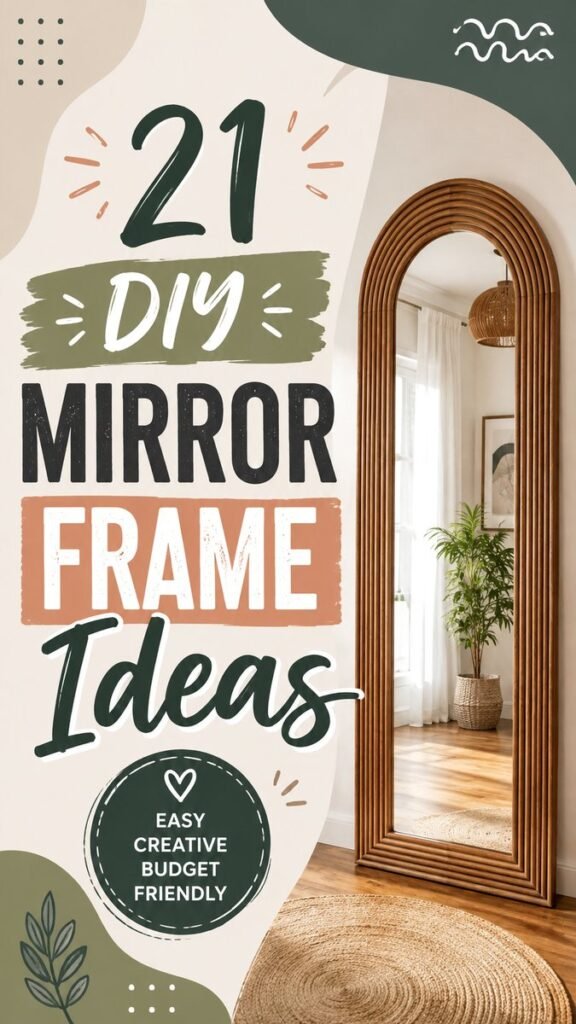
A mirror can do much more than reflect a room. With the right frame, it can become a statement piece that adds warmth, texture, color, and personality to an otherwise ordinary space. DIY mirror frame ideas are an easy way to refresh a room without replacing the entire mirror, and they offer plenty of room for creativity. From simple wooden borders to layered textures and decorative finishes, a homemade frame can be tailored to your style, budget, and available materials.
Key Takeaways
- A DIY mirror frame can turn a basic mirror into a decorative focal point.
- Wood, rope, molding, paint, and other accessible materials can create very different looks.
- The frame should complement the room’s existing colors, textures, and furniture.
- Simple design changes can make a mirror feel rustic, modern, boho, coastal, or classic.
- Careful measuring and preparation are just as important as the decorative finish.
- Small mirrors are especially useful for experimenting with creative framing techniques.
Why DIY Mirror Frames Are Worth Trying
A plain mirror often has a practical purpose but little decorative impact. Adding a frame changes that instantly. Instead of looking like a simple functional object, the mirror can become part of the overall interior design.
One of the biggest advantages of making your own frame is flexibility. You can choose the width, material, color, texture, and finish instead of being limited to what is available in stores. This makes DIY mirror frame ideas particularly useful when you are decorating around furniture or accessories you already own.
Important: The most successful mirror makeovers usually begin with the room rather than the mirror. Look at the existing wood tones, fabrics, wall colors, and finishes, then choose a frame style that feels connected to those elements.
21 DIY Mirror Frame Ideas to Inspire Your Next Makeover
1. Warm Wooden Slat Frame
Wood is one of the most versatile materials for a DIY mirror frame. Narrow wooden slats can be arranged around the mirror to create a clean, structured border. A natural finish works beautifully in warm and relaxed interiors, while a darker stain can create a more dramatic appearance.
2. Rustic Reclaimed Wood Frame
For a relaxed farmhouse or rustic look, consider using reclaimed or intentionally weathered wood. Variations in grain and tone give the frame character and make the finished mirror feel less mass-produced. Keep the surrounding decor simple so the natural texture remains noticeable.
3. Arched Wood Frame
An arched mirror instantly introduces a softer architectural shape. If you already have a simple rectangular mirror, you can take inspiration from arched designs by building a decorative outer structure around the existing shape. Rounded details work particularly well with natural materials and neutral interiors.
4. Minimalist Painted Frame
Sometimes the easiest transformation is also the most effective. A simple frame painted in black, cream, olive, taupe, or another room-friendly shade can give an old mirror a completely different personality. This approach is ideal when you want a modern result without adding a lot of texture.
5. Natural Rope Frame
Rope adds texture and works especially well with coastal, rustic, and boho decorating styles. A rope border can soften the appearance of a plain mirror while introducing an organic material that pairs naturally with wood, baskets, linen, and woven accessories.
6. Layered Trim Frame
For more visual depth, combine different widths of decorative trim. A narrow inner border paired with a wider outer frame creates a layered effect that can make an ordinary mirror look more substantial. Paint all the pieces the same color for a sophisticated finish.
7. Boho Textured Frame
Boho mirror designs are perfect for experimenting with texture. Think natural wood, woven materials, rope, raffia-inspired details, or subtle handcrafted accents. The goal is not to add as many details as possible, but to create a relaxed frame that feels tactile and inviting.
8. Wide Statement Frame
A wider frame can turn a simple mirror into a strong focal point. This works particularly well in entryways and bedrooms where the mirror has enough surrounding space to stand out. Keep the finish relatively simple if the frame itself is large.
9. Slim Modern Border
If your decorating style leans toward contemporary minimalism, choose a narrow border with clean lines. Black, warm white, natural wood, and muted neutral finishes can all create a refined appearance without making the mirror feel heavy.
10. Oversized Entryway Mirror Frame
An oversized mirror is practical in an entryway because it can make the space feel brighter and more open. A substantial wooden frame can make the mirror feel like a deliberate piece of furniture rather than something simply attached to the wall.
11. Soft Neutral Frame
For a calm and understated look, use shades such as beige, cream, warm gray, or muted brown. Neutral mirror frames blend easily with light walls and natural furnishings while still adding enough definition to make the mirror noticeable.
12. Dark Wood Contrast Frame
A dark wood finish can create beautiful contrast against light walls. This approach is especially effective when other elements in the room already feature deeper wood tones. Repeating the same or similar finish elsewhere helps the mirror feel integrated into the space.
13. Decorative Molding Frame
Decorative molding can give a basic mirror a more traditional appearance. Depending on the profile and finish, molding can look classic, transitional, or even contemporary. Painting the entire frame in one tone creates a cohesive result.
14. Geometric Frame
For something more playful, experiment with geometric construction. Repeated angles, clean rectangular sections, or layered shapes can create a modern decorative border. Keep the geometry consistent so the design looks intentional rather than busy.
15. Painted Accent Frame
A colorful mirror frame can become an easy way to introduce an accent shade into a room. Consider a muted terracotta, sage green, dusty blue, warm mustard, or another color already found in your decor. This is a simple way to make the mirror part of the room’s color story.
16. Layered Natural Wood Frame
Instead of using one flat border, layer multiple wooden pieces around the mirror. Different depths can create subtle shadows and dimension. This style works especially well when you want the frame to look handcrafted while keeping the overall design clean.
17. Small Bathroom Mirror Makeover
A bathroom mirror does not need to be large to make an impact. A carefully finished frame can add warmth to a space dominated by hard surfaces. Choose materials and finishes that are appropriate for the environment, and keep the design easy to clean.
18. Bedroom Vanity Frame
A framed mirror can become a beautiful addition to a bedroom vanity or dressing area. A warm wood frame creates a relaxed feeling, while a painted finish can coordinate with furniture, bedding, or decorative accessories.
19. Full-Length Mirror Frame
Full-length mirrors provide plenty of surface area for a dramatic frame. A substantial border can make the mirror look more like a freestanding decorative object. Natural wood is particularly effective when paired with woven rugs, plants, and other organic textures.
20. Organic-Inspired Frame
Bring nature indoors with a frame inspired by organic shapes and materials. Curved edges, natural grain, earthy colors, and subtle irregularities can make the mirror feel softer and more relaxed. This idea works beautifully with plants and other natural decorative elements.
21. Mixed-Material Mirror Frame
Combining two complementary materials can create a distinctive look. For example, wood can be paired with rope, painted sections, woven accents, or another subtle texture. The key is to limit the palette so the finished mirror remains visually balanced.
Expert Insight
A mirror frame does not have to match every piece of furniture in a room. It simply needs to share a visual connection with the space. Repeating one material, color, or texture is often enough to make a new frame feel intentional.
How to Choose the Right DIY Mirror Frame Style
Before cutting materials or applying paint, consider where the mirror will live. The room’s function should influence both the material and the visual weight of the frame.
- Living room: Consider a wider wooden or layered frame that works as a statement feature.
- Bedroom: Soft colors, natural wood, and rounded details can create a relaxed atmosphere.
- Entryway: Choose a durable, substantial frame that makes the mirror feel welcoming.
- Bathroom: Favor practical finishes that are easy to maintain.
- Small spaces: Use slimmer frames and lighter colors to keep the mirror visually airy.
Materials to Consider for a DIY Mirror Frame
The best material depends on the look you want and the shape of the mirror. Wood remains a favorite because it is versatile, warm, and easy to customize. Trim and molding can create a more polished appearance, while rope and woven materials introduce texture.
Paint is another powerful tool. Even an inexpensive frame can look completely different after a fresh coat of color. Matte finishes tend to feel modern and understated, while richer finishes can create more visual depth.
Pro Tip: Make a small sample before committing to the entire frame. Test the color, stain, texture, or finish against the actual room lighting so you can see how it works throughout the day.
Simple Steps for Planning Your Mirror Makeover
- Measure the mirror carefully. Record the width, height, and any important edges or mounting details.
- Choose the frame width. A narrow border gives a lighter appearance, while a wider frame creates more visual impact.
- Select your material. Match the material to the style of the room and the amount of texture you want.
- Plan the finish. Decide whether you want natural wood, stained wood, painted surfaces, or mixed materials.
- Prepare the surface. Clean the mirror and make sure the area where the frame will attach is free from dust and residue.
- Build or assemble the frame. Work carefully and check each measurement before making permanent cuts or attachments.
- Finish the details. Sand rough edges, apply paint or stain, and allow everything to dry properly.
- Install securely. Make sure the finished mirror and frame are properly supported for their size and weight.
How to Make a DIY Mirror Frame Look More Expensive
You do not need expensive materials to create an elevated result. Proportion and consistency often matter more than price. A carefully measured frame with clean edges can look far more polished than an elaborate design with uneven spacing.
Another useful technique is repetition. If your room contains natural wood, woven baskets, or earthy accessories, echoing one of those materials in the mirror frame makes the makeover feel intentional. The same principle works with colors. A frame can pick up a subtle shade from a rug, cushion, artwork, or nearby furniture.
Keep decorative details controlled. One strong texture or finish is often more effective than several competing elements. This is especially important with large mirrors because the frame already occupies a significant visual area.
Common DIY Mirror Framing Mistakes to Avoid
One of the most common mistakes is choosing a frame before considering the room. A beautiful frame can still feel out of place if its color or scale conflicts with the surrounding decor.
- Do not skip precise measurements.
- Do not choose a frame that overwhelms a very small room.
- Do not combine too many colors or textures without a clear design plan.
- Do not overlook the weight of the finished frame.
- Do not rush paint, stain, adhesive, or other finishing steps.
- Do not forget to consider how the mirror will be cleaned and maintained.
Decorating Around a DIY Framed Mirror
Once the frame is finished, think about the area surrounding it. A framed mirror can look especially appealing when paired with complementary textures such as woven baskets, natural rugs, plants, wood furniture, linen curtains, or simple artwork.
For a warm interior, natural wood and earthy neutrals can create a cohesive atmosphere. If your room already has darker furniture, a deep wood or painted frame can echo those tones. For a lighter space, cream, beige, soft green, or natural finishes can preserve an airy feeling.
The mirror itself also helps reflect nearby details, so placement matters. Positioning it where it can capture natural light or an attractive part of the room can make the entire space feel more considered.
Why Handmade Details Add Personality
There is something appealing about decor that looks intentionally made rather than simply purchased. A DIY mirror frame gives you the opportunity to create a piece that fits your home instead of adjusting your home around a pre-made product.
Even small imperfections can contribute to a handcrafted feeling when the overall design is clean and deliberate. The goal is not necessarily to make the frame look factory-perfect. It is to create something that feels like it belongs in your space.
At a Glance
- Choose a frame style that complements the room.
- Use wood and natural textures for warmth.
- Use paint for an affordable color transformation.
- Prioritize accurate measurements and secure installation.
- Keep decorative details balanced and intentional.
Final Thoughts on DIY Mirror Frame Ideas
DIY mirror frame ideas offer a simple way to give an ordinary mirror a completely new role in your home. Whether you prefer rustic wood, modern painted borders, organic textures, layered trim, or a combination of materials, the right frame can add character without requiring a complete room makeover.
The most important part is choosing a design that fits your space. Consider the room’s colors, furniture, textures, and available wall space before deciding on the frame. From there, careful measurements, thoughtful material choices, and a little patience can turn a basic mirror into a standout decorative feature.
Whether you are refreshing an entryway, adding warmth to a bedroom, updating a bathroom, or creating a statement piece for the living room, these DIY mirror frame ideas can provide plenty of inspiration. Start with a style you love, adapt it to your space, and let your own creativity shape the final result.