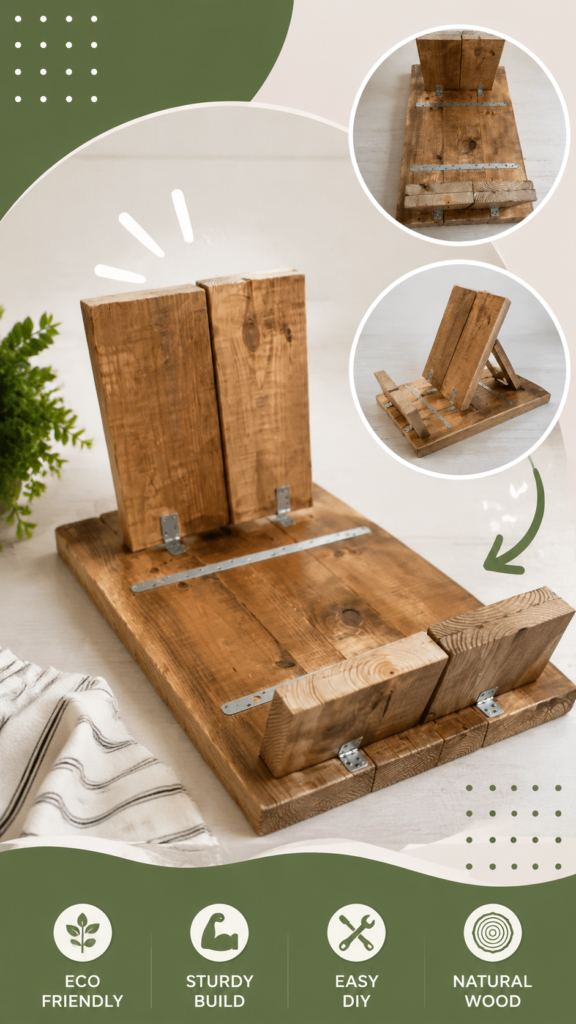
Creating a DIY coffee table is a rewarding way to add character, warmth, and function to your living space. A handmade wooden coffee table can become the centerpiece of a room while reflecting your personal style and creativity. Whether you love rustic interiors, farmhouse decor, or simple natural designs, building your own table allows you to choose the materials, dimensions, and finishes that work best for your home.
The wooden project shown inspires a practical approach to furniture making by using sturdy wood pieces, simple construction techniques, and a natural finish. It highlights how basic materials can be transformed into a beautiful home feature with the right planning and attention to detail.
Key Takeaways
- DIY coffee tables are a great way to create custom furniture for your home.
- Natural wood adds warmth and timeless appeal to interior spaces.
- Simple designs can create stylish results without complex tools.
- Reclaimed or unfinished wood can add unique character.
- Careful planning helps create a durable and functional piece.
Important: A DIY coffee table is more than just a piece of furniture. It is an opportunity to create something meaningful that matches your space, lifestyle, and design preferences while adding a handmade touch to your home.
Why DIY Coffee Tables Are Becoming Popular
DIY furniture projects have grown in popularity because homeowners are looking for affordable, creative, and personalized alternatives to mass-produced pieces. A DIY coffee table offers the perfect balance between practicality and creativity. Instead of searching for a table that almost fits your room, you can build one that fits exactly.
Wooden coffee tables are especially popular because they bring a natural feeling indoors. The visible grain patterns, warm tones, and handcrafted appearance create a welcoming atmosphere. A simple wood design can complement many decorating styles, including rustic, modern farmhouse, minimalist, and Scandinavian-inspired spaces.
Another advantage of creating your own coffee table is the ability to customize every detail. You can decide the height, width, shape, finish, and additional features such as shelves or storage areas. This flexibility makes DIY projects ideal for people who want furniture that feels unique.
Understanding the Design Inspiration
The wooden structure in this project reflects a simple and functional design approach. The focus is on strong wood panels, a natural appearance, and a sturdy build. The clean lines allow the beauty of the material to stand out without requiring excessive decoration.
This type of coffee table design works well for anyone who appreciates handmade furniture. The visible texture of the wood creates a connection to traditional craftsmanship while maintaining a modern appearance.
The Appeal of Natural Wood Furniture
Natural wood has remained a favorite material for furniture because of its durability and visual appeal. Every piece of wood has different patterns, knots, and textures, making each handmade coffee table slightly different from another.
Wood furniture also ages beautifully. With proper care, a DIY coffee table can develop more character over time. Small marks and changes in the surface often add to the charm rather than taking away from its appearance.
Choosing Materials for a DIY Coffee Table
Selecting the right materials is one of the most important steps in building a coffee table. The wood you choose will influence the appearance, strength, and overall style of the finished piece.
Wood Options to Consider
- Reclaimed wood: Offers a rustic appearance with natural imperfections and history.
- Pine: A budget-friendly option that is easy to work with.
- Oak: A strong choice with attractive grain patterns.
- Wood panels: Useful for creating clean, simple table surfaces.
Many DIY builders choose wood with visible grain because it creates a more authentic handmade appearance. A clear finish can protect the surface while allowing the natural beauty of the material to remain visible.
Planning Your Coffee Table Before Building
Good planning can make the building process easier and help prevent common mistakes. Before starting, consider where the table will be placed and how it will be used.
Think about the size of your seating area, the amount of walking space needed around the table, and whether you want additional functions such as storage or decorative display areas.
Important Measurements to Consider
- Measure your available floor space carefully.
- Choose a comfortable height that works with your sofa or chairs.
- Plan the tabletop size based on your room layout.
- Consider the weight and stability of the finished design.
Expert Insight
A successful DIY coffee table project begins with a clear vision. Simple designs often create the strongest impact because they allow quality materials and careful craftsmanship to become the main feature.
- Focus on durability before adding decorative details.
- Choose finishes that protect the wood and match your interior style.
- Take your time during measuring and assembly.
How to Create a Rustic DIY Coffee Table Look
A rustic coffee table style is all about embracing natural textures and comfortable design. The goal is not to make the wood look perfect but to highlight its authentic character.
Soft sanding can smooth rough areas while keeping the original texture visible. A warm stain can enhance the wood grain, while a natural protective coating helps preserve the surface for everyday use.
Simple Ways to Customize Your Table
- Add a lower shelf for books, baskets, or decorative items.
- Use different wood tones for a contrasting design.
- Include metal accents for an industrial-inspired appearance.
- Add rounded edges for a softer modern look.
Benefits of Making Your Own Coffee Table
Building your own furniture provides benefits beyond saving money. It allows you to create a piece that tells a story and reflects your creativity.
A handmade coffee table can also become a conversation starter. Guests often notice unique furniture pieces because they feel more personal than standard store-bought designs.
Pro Tip: Take photos during each stage of your DIY project. Documenting the process can help you improve future woodworking projects and gives you a visual record of your craftsmanship.
Maintaining Your Wooden Coffee Table
Once your DIY coffee table is complete, proper maintenance will help keep it looking beautiful. Regular cleaning with a soft cloth can prevent dust buildup, while avoiding excessive moisture protects the wood surface.
If the finish begins to look worn over time, a light refresh with wood treatment can restore its appearance. The advantage of handmade furniture is that it can often be repaired and renewed instead of replaced.
At a Glance
- DIY coffee tables create personalized home decor.
- Wood designs add warmth and natural beauty.
- Simple construction can create impressive results.
- Customization makes each piece unique.
Conclusion
A DIY coffee table is a perfect project for anyone who wants to bring handmade style into their home. With natural materials, thoughtful planning, and a little creativity, you can create a functional piece of furniture that adds warmth and personality to your living space.
The beauty of a handmade wooden coffee table comes from its imperfections, unique textures, and the effort behind every detail. Whether you prefer a rustic farmhouse look or a simple modern design, creating your own table allows you to build something that feels truly connected to your home.
Tags
DIY Coffee Table Woodworking Projects Rustic Furniture Handmade Furniture Home Decor Ideas Wood Projects