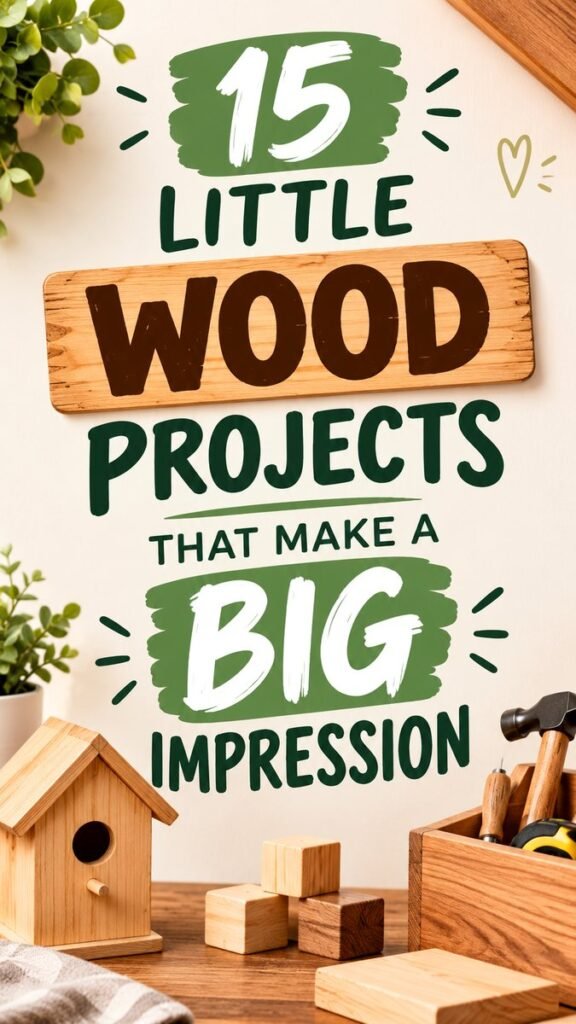
Woodworking projects DIY ideas are a great way to turn simple pieces of wood into practical, attractive creations that make a noticeable impact at home. The inspiration here focuses on the charm of small-scale wood projects, showing how modest materials, thoughtful design, and a few basic tools can create something that feels much more substantial. Whether you are looking for a weekend activity, a useful home project, or a creative way to use leftover lumber, small woodworking projects offer plenty of possibilities.
Key Takeaways
- Small woodworking projects can create a surprisingly strong visual impact.
- Simple wood pieces can become decor, storage, gifts, or useful household items.
- Basic planning helps reduce wasted material and makes projects easier to complete.
- Natural wood grain adds warmth and character without complicated decoration.
- Simple designs are ideal for practicing essential woodworking skills.
- Finishing details can make a basic project look polished and intentional.
Why Small Woodworking Projects Make a Big Impression
There is something especially appealing about a handmade wooden object. Wood has a natural texture, warm appearance, and timeless quality that can make even a simple project feel special. You do not always need a large workshop or an elaborate plan to create something worth displaying.
Small woodworking projects are particularly useful because they allow you to focus on one idea at a time. A compact project can be completed during a free afternoon or over a weekend, making it easier to maintain motivation from the first cut to the final finish.
Important: The best beginner woodworking projects are not necessarily the most complicated ones. A straightforward design with clean measurements and careful finishing can look more impressive than an ambitious project with unnecessary details.
Choosing the Right Wood for DIY Projects
The material you choose can influence the appearance, durability, and difficulty of a woodworking project. For small DIY creations, you can often work with boards, offcuts, reclaimed pieces, or other manageable pieces of lumber that are already available.
Start With Manageable Pieces
Smaller boards are easier to measure, move, clamp, sand, and finish. They are also useful when learning how different cuts and joints behave. Before beginning, inspect the wood for major cracks, excessive warping, loose sections, or other defects that could interfere with your design.
Let the Natural Grain Add Character
One of the advantages of working with wood is that the material itself can provide much of the visual interest. Attractive grain does not require elaborate decoration. A simple shape paired with a clean finish can allow the natural texture to become the main feature.
If you are combining multiple pieces, consider how their grain direction and tones will look together. Even small differences in wood appearance can create a pleasing handmade effect.
15 Woodworking Projects DIY Ideas to Explore
The concept of creating a collection of small wood projects opens the door to many useful and decorative possibilities. The goal is not to make every project complicated. Instead, focus on designs that combine simple construction with an attractive final result.
1. Simple Wooden Display Shelf
A compact shelf can be useful in a bedroom, entryway, office, or living area. A basic board with carefully finished edges can become a practical display surface for small decorative objects.
2. Rustic Wooden Planter Box
A small planter box is an approachable way to combine woodworking with home decor. The natural appearance of unfinished or lightly finished wood pairs especially well with greenery and can bring a warm, organic feeling to a room or outdoor space.
3. Handmade Wooden Tray
A wooden tray can be both decorative and functional. Add simple side handles or raised edges to create a useful piece for organizing everyday items, serving, or displaying decorative objects.
4. Small Storage Crate
A compact crate can help organize shelves, desks, craft supplies, or small household items. Its box-like construction also makes it a useful practice project for learning how individual wooden pieces fit together.
5. Wooden Wall Hooks
Small pieces of wood can be transformed into simple wall hooks for entryways, bedrooms, or work areas. Keep the shape clean and focus on smooth edges and a consistent finish.
6. Compact Desk Organizer
A wooden organizer can provide dedicated spaces for pens, notebooks, tools, or other small essentials. This type of project is particularly useful because its dimensions can be adjusted to match your workspace.
7. Wooden Picture Frame
A handmade frame gives you an opportunity to practice accurate cuts while creating something personal. Simple wood profiles can look elegant when the edges are carefully sanded and the finish complements the grain.
8. Small Floating Ledge
A narrow wooden ledge can provide a minimalist place for small decorative pieces. Its simple silhouette makes it suitable for modern, rustic, or natural-inspired interiors.
9. Wooden Plant Stand
A small plant stand can raise greenery to a more visible position while adding another handmade element to the room. Focus on stability, even leg lengths, and strong connections between the components.
10. Simple Serving Board
A serving board can be one of the simplest ways to showcase attractive wood. Rounded corners, smooth surfaces, and a carefully selected finish can turn an ordinary board into a useful kitchen or dining accessory.
11. Wooden Book Holder
A compact book holder can be designed around a simple support structure. It can help keep a favorite book open on a desk, shelf, or reading area while adding a handcrafted detail to the space.
12. Small Entryway Organizer
Combine a narrow wood panel with practical storage features to create an entryway organizer. Depending on the design, it can provide a place for keys, mail, accessories, or other everyday items.
13. Decorative Wooden Sign
A small wooden sign gives you plenty of freedom to experiment with lettering, shapes, and finishes. Keep the design simple so the texture of the wood remains part of the visual appeal.
14. Small Tool Caddy
A wooden caddy is a practical choice for organizing hand tools and craft supplies. A simple open-top design makes items easy to reach while giving you useful practice with measuring and assembly.
15. Handmade Wooden Gift
Many small woodworking projects can be adapted into thoughtful handmade gifts. A useful object with a clean design often feels more personal than a mass-produced item, especially when the wood grain and finishing choices give it a distinctive character.
Essential Steps for Better DIY Woodworking
Good woodworking starts before the saw touches the board. Taking a little time to plan can make the entire process smoother and help you avoid unnecessary material waste.
- Choose a manageable design. Begin with a project that matches your current tools and experience.
- Measure carefully. Record dimensions before cutting and double-check them against the final design.
- Prepare the material. Inspect, clean, and prepare each piece before assembly.
- Make accurate cuts. Take your time rather than rushing through important measurements.
- Test the assembly. Check how pieces fit before permanently joining them.
- Sand the surfaces. Smooth edges and faces can make a major difference in the finished appearance.
- Apply the finish carefully. Choose a finish that complements the intended look and use of the project.
Expert Insight
Visual impact often comes from proportion, clean edges, and thoughtful finishing rather than complexity. When a small project has balanced dimensions and a tidy surface, the result can feel surprisingly refined.
Tools That Make Small Projects Easier
You do not need a large collection of equipment to begin exploring woodworking projects DIY. The most useful tools depend on the project, but a basic setup can support many simple builds.
- A measuring tape or ruler for accurate dimensions.
- A pencil for marking cut lines and placement points.
- A suitable saw for cutting boards and smaller wood pieces.
- Clamps for keeping pieces steady during assembly.
- Sandpaper or a sanding tool for smoothing surfaces and edges.
- A drill and suitable bits for projects requiring holes or fasteners.
- A hammer and basic fastening supplies when appropriate.
Always choose tools based on the material and project requirements. Use appropriate protective equipment and follow safe operating practices, especially when cutting, drilling, sanding, or working with powered tools.
How to Make Simple Wood Projects Look More Professional
A polished result often comes down to details that are easy to overlook. Take time to smooth exposed edges, keep joints aligned, and remove visible dust before applying a finish.
Pay Attention to Proportion
Even a basic project can look intentional when its components have a consistent relationship with one another. Avoid adding unnecessary elements simply to make a project appear more complicated. Clean design usually creates a stronger visual effect.
Keep Surfaces Smooth
Rough edges can distract from otherwise attractive craftsmanship. Sand progressively and pay particular attention to corners, exposed edges, and surfaces that will be handled frequently.
Choose a Finish That Fits the Style
A natural-looking finish can emphasize wood grain, while paint can introduce a stronger decorative element. The best choice depends on where the finished project will be used and the look you want to create.
Pro Tip: Before applying any finish, test it on a scrap piece of similar wood. This lets you see how the color and texture will change without risking the final project.
Using Leftover Wood for Creative Projects
Small offcuts can become valuable materials for DIY woodworking. Instead of treating every leftover piece as waste, sort usable scraps by size, thickness, and appearance. Small blocks can become decorative elements, organizers, supports, or components for future projects.
Keeping a small collection of useful scraps can also encourage spontaneous creativity. When you have several pieces available, you can experiment with layouts before committing to a larger board.
Mixing different wood tones can add visual interest, but consistency can also create a clean modern appearance. Let the intended style guide your material choices rather than trying to use every available piece in one project.
Easy Ways to Personalize Woodworking Projects
The beauty of DIY woodworking is that the same basic project can look completely different depending on your choices. Adjust the dimensions to suit your space, change the finish, add subtle decorative details, or combine natural wood with another material.
Personalization can also be practical. A storage project can be sized for the exact items you need to organize. A shelf can be designed around the available wall space. A small gift can be shaped and finished around the recipient’s preferences.
When possible, create a quick sketch before building. It does not need to be artistic. A simple drawing with measurements can help you visualize proportions and identify potential problems before cutting material.
Building a Collection of Small Wood Projects
One of the most enjoyable aspects of woodworking is seeing individual projects build your skills over time. Start with simple shapes and gradually experiment with more detailed construction. Each completed project gives you an opportunity to improve measuring, cutting, sanding, assembly, and finishing techniques.
Keep notes about dimensions, materials, tools, and finishing methods that work well. These records can make future projects easier and help you develop your own reliable approach to DIY woodworking.
At a Glance
- Choose simple designs with clear proportions.
- Measure twice before making important cuts.
- Use natural grain as part of the decoration.
- Sand carefully for a smoother, cleaner result.
- Save useful offcuts for future DIY projects.
Conclusion: Start Small and Create Something Useful
Woodworking projects DIY ideas do not need to be complicated to make a big impression. A thoughtfully designed shelf, organizer, planter, tray, sign, or small storage piece can add warmth and personality to an everyday space. The natural beauty of wood provides a strong foundation, while careful measurements, smooth surfaces, and simple finishing choices bring the project together.
If you are new to woodworking, choose one manageable project and focus on doing the basics well. If you already have experience, use small projects as an opportunity to experiment with new designs, leftover materials, or different finishing techniques. The most rewarding part is often seeing an ordinary piece of wood become something useful through your own effort.
With a little planning and creativity, even the smallest pieces can become memorable handmade creations. Keep your designs practical, enjoy the process, and let each project inspire the next one.
Tags
Woodworking Projects DIY DIY Woodworking Wood Projects Beginner Woodworking DIY Home Projects Woodworking Ideas Wood Crafts Easy Wood Projects