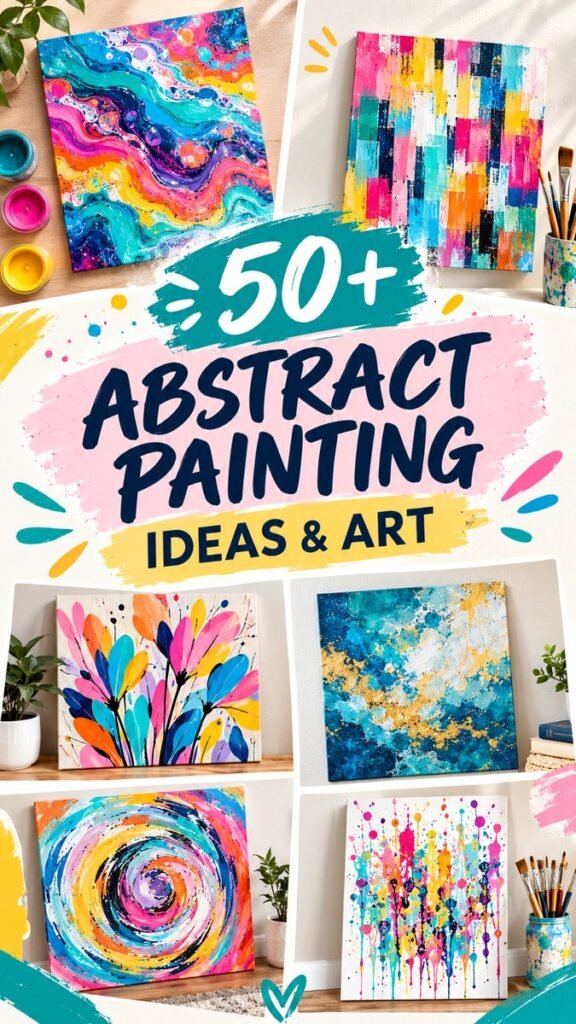
DIY art painting is a wonderful way to turn a blank canvas into something colorful, expressive, and completely your own. From bold abstract swirls and energetic paint splatters to layered blocks of color and playful floral-inspired shapes, there are countless ways to experiment with paint without needing advanced artistic skills. The colorful examples featured here show how simple materials and creative techniques can produce artwork that feels fresh, modern, and full of personality.
Whether you are decorating a living room, refreshing a creative corner, making handmade wall art, or simply looking for an enjoyable weekend project, DIY art painting gives you plenty of room to experiment. You do not need to follow a complicated formula. A few colors, different brushes, an affordable canvas, and a willingness to play with shapes and textures can be enough to get started.
Key Takeaways
- Abstract painting is flexible and beginner-friendly.
- Bold color combinations can make simple canvas art feel dynamic.
- Layering, splattering, dragging, and blending create visual interest.
- You can create impressive DIY wall art with basic painting supplies.
- Experimenting is often more valuable than trying to make every detail perfect.
- Save favorite color combinations and techniques for future projects.
Why DIY Art Painting Is So Inspiring
One of the best things about DIY art painting is the freedom it offers. Unlike a craft project that requires you to reproduce a specific result, painting allows you to make decisions as you work. You can begin with one color and let the composition develop naturally, or plan a palette and design before the first brush touches the canvas.
The artwork shown in this style of inspiration collection uses strong colors and expressive marks to create an energetic visual effect. Some approaches rely on flowing lines, while others use blocks, dots, splashes, layered brushstrokes, or repeating patterns. These differences demonstrate how many directions a simple painting project can take.
Important: The goal of a DIY art painting project does not have to be perfection. A painting often becomes more interesting when you allow visible brush marks, unexpected color combinations, and spontaneous details to remain part of the finished design.
Choosing a Color Palette for Canvas Art
Color is one of the easiest ways to change the mood of a painting. Bright turquoise, pink, yellow, orange, blue, and purple can create a lively contemporary appearance, while softer neutrals and muted tones can make a canvas feel calmer and more understated.
For a colorful DIY art painting, start with three to five main colors. Choose one shade that will act as the visual anchor, then add complementary or contrasting colors around it. You can also introduce white or a neutral shade to give the eye somewhere to rest.
Try These Color Combinations
- Turquoise, navy, white, pink, and yellow for a vibrant modern look.
- Coral, orange, magenta, and warm yellow for energetic artwork.
- Blue, teal, white, and soft gray for a fresh coastal-inspired palette.
- Purple, pink, turquoise, and orange for playful abstract art.
- Black, white, and one bright accent color for a more graphic composition.
Do not feel restricted to these combinations. The most exciting results can come from unexpected pairings. If you are unsure, paint small color samples on scrap paper before applying them to the canvas. This makes it easier to see how the shades interact when placed next to one another.
Easy DIY Painting Techniques to Try
You can create a surprising amount of variety by changing the way paint is applied. Instead of using only traditional brushstrokes, experiment with different tools and movements. Each technique can produce a completely different visual texture.
1. Layered Brushstrokes
Apply broad strokes in different directions, allowing some of the previous layer to remain visible. This creates depth and movement without requiring detailed drawing skills. Use a larger brush for the background and a smaller brush for highlights or accents.
2. Abstract Color Blocks
Paint sections of the canvas with different colors and shapes. Rectangles, uneven squares, vertical marks, and overlapping areas can create a modern geometric effect. Keep some edges crisp and make others irregular for a more relaxed handmade appearance.
3. Paint Splatter
Splattering is an easy way to add movement and small bursts of color. Load a brush with a small amount of paint and gently flick it over the canvas. Use this technique sparingly when you want controlled detail, or build several layers for a more energetic composition.
4. Fluid and Wavy Lines
Curved lines can give an abstract painting a sense of motion. Try moving your brush slowly across the canvas while changing direction. Layer several flowing lines in contrasting shades to create an effect similar to colorful waves.
5. Dots and Repeated Marks
Small dots, circles, dashes, and repeated shapes can add rhythm to an artwork. They work particularly well over a colorful background because they create another visual layer without covering everything underneath.
Expert Insight
- Build the painting gradually instead of trying to finish everything in one layer.
- Leave small areas of the underlying colors visible to create depth.
- Use a strong accent color near focal areas to guide the viewer’s eye.
Simple Supplies for DIY Art Painting
You do not need an extensive art studio to begin. A small collection of basic materials can support many different canvas painting ideas. Start with supplies you are comfortable using, then expand your collection as you discover techniques you enjoy.
- Canvas panels or stretched canvases
- Acrylic paints in several colors
- Flat, round, and detail paintbrushes
- A palette or disposable mixing surface
- Water container for cleaning brushes
- Paper towels or an old cloth
- Painter’s tape for crisp geometric sections
- Protective covering for your work surface
Acrylic paint is particularly useful for DIY canvas art because it is versatile and works well for layering. You can use it for broad backgrounds, detailed marks, colorful abstract patterns, and splatter effects. Always follow the instructions on your particular paint and keep your work area suitable for painting.
How to Create an Abstract Painting Step by Step
If you are new to painting, having a simple process can make the project feel much easier. The following approach gives you structure while still leaving plenty of room for creativity.
Step 1: Prepare Your Workspace
Cover your work surface and arrange your paints, brushes, water, and canvas within easy reach. Give yourself enough room to step back from the artwork occasionally. Seeing the painting from a short distance can help you notice whether one area feels too busy or too empty.
Step 2: Choose Your Base Colors
Select a small group of colors before you begin. You can use a light shade as the base and then gradually add brighter colors. Alternatively, begin with several bold blocks of color and build the design from there.
Step 3: Cover the Canvas
Start applying your largest shapes and broadest strokes. Do not worry about creating detailed marks at this stage. Focus on distributing color across the surface and establishing the overall composition.
Step 4: Add Layers and Texture
Once the first layer is established, introduce new colors, lines, dots, shapes, and brush textures. Allow some of the earlier layer to remain visible. This creates visual depth and makes the painting feel more developed.
Step 5: Add Small Accents
Use a smaller brush for final details. A few carefully placed marks can make a big difference. Consider adding dots, thin lines, small shapes, or contrasting highlights in areas that need extra attention.
Step 6: Step Back and Evaluate
Put the brush down and look at the painting from several angles. Ask yourself whether the colors feel balanced and whether the composition has enough variety. If one section feels crowded, you can add a quieter area nearby rather than continuing to add detail everywhere.
Pro Tip: Photograph your painting from a distance before deciding it is finished. A quick photo can reveal balance issues that are difficult to notice when you are standing close to the canvas.
DIY Art Painting Ideas for Beginners
Beginners often feel pressure to create something complicated, but simple designs can be just as attractive. Start with one technique and a limited palette rather than trying to combine every possible effect in one painting.
- Colorful stripe canvas: Paint broad vertical or horizontal strokes in several bright colors.
- Abstract wave painting: Layer curved lines in different shades to create a flowing composition.
- Paint splatter canvas: Use a simple background and add controlled splashes in contrasting colors.
- Modern geometric art: Combine blocks, rectangles, and overlapping shapes.
- Textured abstract canvas: Use thick brush marks to create visible movement across the surface.
- Colorful dot painting: Build a design from circles and small repeated marks.
These ideas can also be combined. For example, you might begin with broad color blocks, add flowing lines, and finish with small dots or splatters. The important part is maintaining some visual balance so the individual techniques support rather than compete with one another.
How to Make Abstract Wall Art Feel Intentional
Abstract painting may look spontaneous, but a few simple design choices can make the final artwork feel much more intentional. Repeating a color in several areas is one easy technique. If turquoise appears in the upper corner, for example, repeating a small amount of turquoise elsewhere can visually connect the composition.
Scale also matters. Combine larger shapes with smaller details rather than making every mark the same size. Contrast can be created through color, shape, direction, and texture. A smooth painted area next to rough brush marks can create an interesting change in visual energy.
Negative space is equally important. You do not have to cover every part of the canvas. Leaving small quiet areas can help brighter sections stand out and prevent the artwork from becoming visually overwhelming.
Displaying Your DIY Canvas Painting
Once your artwork is complete and appropriately dry, think about where it will be displayed. Bright abstract canvas art can become a focal point above a console, sofa, desk, shelf, or creative workspace. A large painting can anchor a wall, while smaller canvases can be arranged together as a colorful collection.
Consider the existing colors in the room when choosing a location. A vibrant painting can add energy to a neutral space, while artwork containing colors already present in the room can help create a more coordinated appearance.
Create a Small Gallery Arrangement
If you make several DIY paintings, try grouping them instead of displaying only one. Paintings with different techniques can still work together when they share a few colors. Keep spacing relatively consistent and experiment with the arrangement on the floor before putting anything on the wall.
Ways to Keep Your Painting Process Creative
The easiest way to keep DIY art painting enjoyable is to treat each canvas as an experiment. You can test a technique on a small panel before committing to a larger canvas. Keep a collection of color combinations that catch your attention and save reference ideas for future projects.
Another useful habit is to avoid judging the painting too early. The first layer may look unfinished or unbalanced, but additional colors and marks can completely change the composition. Give yourself permission to work through the awkward stages of the process.
Try changing your tools, too. A wide brush produces a different effect from a narrow brush, while a sponge or other suitable painting tool can introduce a different texture. Even changing the direction of your brush movement can make a familiar color palette look completely new.
Quick Points
- Start with a manageable color palette.
- Build the artwork in layers.
- Mix large shapes with small details.
- Leave some negative space for balance.
- Experiment freely and let your personal style develop.
Final Thoughts on DIY Art Painting
DIY art painting is an accessible and rewarding way to explore color, texture, movement, and personal creativity. You can create a simple canvas with only a few supplies, then gradually develop the piece through layers of brushwork, shapes, lines, dots, and expressive details. The colorful abstract style featured in this collection is especially useful for inspiration because it demonstrates how many different results can come from the same basic idea of putting paint on canvas.
Do not worry about producing a perfect painting on your first attempt. Choose colors you enjoy, try a technique that catches your attention, and allow the artwork to evolve naturally. With practice, you will become more comfortable combining colors, creating balanced compositions, and developing recognizable elements of your own style.
Whether you are searching for easy painting ideas, colorful canvas art, abstract painting inspiration, or a relaxing creative project, there is plenty of room to experiment. Pick a blank canvas, gather your favorite colors, and start making something that feels uniquely yours.