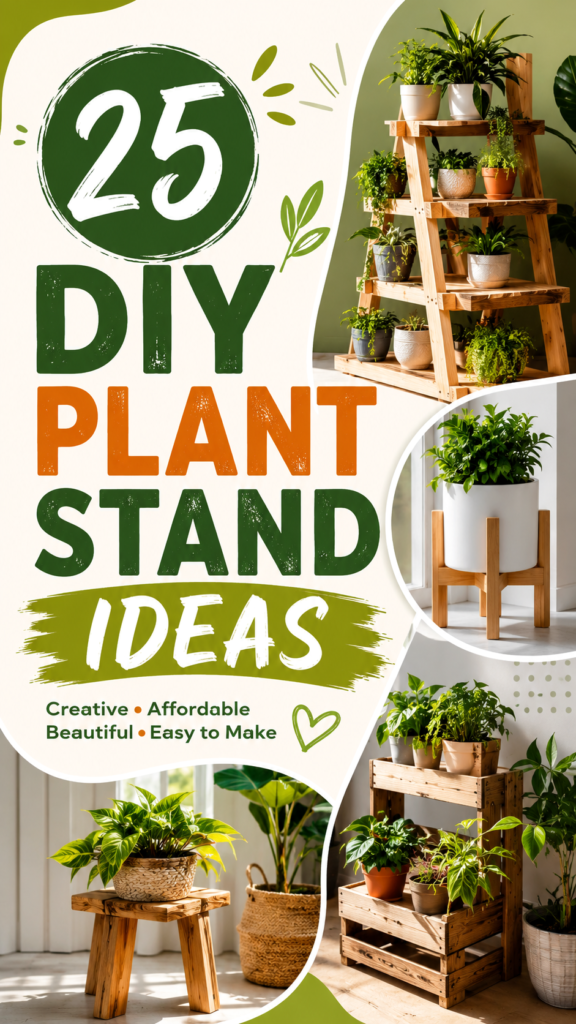
Adding plants to your home is one of the easiest ways to make a space feel fresh, warm, and inviting, but the way you display them can make just as much difference as the plants themselves. A well-designed DIY plant stand gives your greenery more height, creates visual layers, and turns an ordinary corner into an attractive focal point. Whether you prefer a simple wooden stool, a tiered ladder shelf, a rustic crate display, or a compact stand for a single pot, there are plenty of creative ways to build a plant display that fits your space and style.
The ideas featured here highlight a mix of practical and decorative plant stand designs. Natural wood, clean lines, tiered arrangements, and abundant greenery create a relaxed look that works beautifully in living rooms, bedrooms, balconies, patios, entryways, and sunny corners. The best part is that many of these concepts can be adapted to the materials, tools, and space you already have.
Key Takeaways
- Use vertical plant stands to display more greenery without taking up much floor space.
- Tiered shelves create attractive height and make smaller plants easier to see.
- Wooden stands add warmth and pair naturally with green foliage.
- Choose a design that matches the size, weight, and number of pots you plan to display.
- Simple DIY materials can become stylish plant displays with thoughtful proportions and placement.
Why DIY Plant Stands Are Worth Making
A plant stand does more than lift a pot off the floor. It changes the composition of a room by introducing height and helping plants occupy different visual levels. Instead of placing every pot on a windowsill or arranging everything at floor level, you can use stands to create a layered indoor garden.
DIY projects also give you greater control over the final result. You can make a narrow stand for an unused corner, a low platform for a large planter, or a multi-level shelf for a growing collection of small plants. Rather than searching for a ready-made piece that happens to fit your room, you can work around the dimensions and appearance you actually want.
One of the biggest advantages of a DIY plant stand is flexibility. A basic structure can be adjusted in height, width, number of shelves, and finish, allowing the same idea to work in a small apartment, spacious living room, balcony, or outdoor garden area.
25 DIY Plant Stand Ideas to Try
1. Classic Wooden Plant Stand
A simple wooden plant stand is a timeless choice for anyone who wants a clean and natural display. A raised platform supported by four legs can showcase one medium-sized pot while keeping the overall design visually light. This style works especially well beside windows, sofas, cabinets, or entryway furniture.
2. Tiered Ladder Plant Stand
A ladder-style plant stand makes excellent use of vertical space. Several shelves step upward, allowing plants of different sizes to share the same footprint. Place taller plants toward the upper area and fuller or trailing plants lower down to create an attractive cascade of greenery.
3. Multi-Level Wooden Shelf
For plant lovers with several pots, a multi-level wooden shelf offers both organization and visual impact. The open construction keeps the display airy while giving each plant its own space. Try mixing different pot shapes and foliage sizes to avoid a repetitive arrangement.
4. Rustic Crate Plant Stand
Wooden crates can be stacked or combined to create a rustic plant display. Their natural texture gives the project a relaxed character, while the open spaces can be used for additional pots or gardening accessories. This is particularly useful for casual indoor decor, balconies, and covered outdoor spaces.
5. Small Stool Plant Stand
A compact stool is a clever option when you want to elevate one plant without adding a large piece of furniture. A small wooden stool can support a decorative pot and easily fit beside a chair, near a window, or in an empty corner.
6. Minimalist Single-Pot Stand
Sometimes one beautifully displayed plant is all you need. A minimalist stand with a small footprint keeps the focus on the foliage rather than the structure. This approach is ideal for modern interiors where clean lines and uncluttered surfaces are important.
7. Two-Tier Plant Display
A two-tier stand provides enough room for a pair of plants while remaining relatively compact. Place a taller plant on the lower level and a smaller plant above it, or use contrasting leaf shapes to make the arrangement more interesting.
8. Corner Plant Shelf
Unused corners can become valuable plant-display areas with a purpose-built corner shelf. A triangular or angled design can fit neatly into the space while giving several plants access to light. This is a practical idea for small rooms where every inch matters.
9. Narrow Vertical Plant Stand
If floor space is limited, think upward. A narrow vertical stand can hold multiple small pots while occupying very little width. Position it near a bright window or another suitable area where your plants can thrive.
10. Wooden Box Plant Stand
A simple wooden box can function as a sturdy base for a planter. Stack two boxes at different heights or combine several into a larger display. The box shape also gives the project a practical, structured appearance.
11. A-Frame Plant Stand
An A-frame design offers excellent stability while creating several levels for displaying plants. Its angled sides add architectural interest and make the stand feel more like a decorative feature than basic storage.
12. Rustic Farmhouse Plant Stand
Combine natural wood, simple construction, and softly weathered finishes for a farmhouse-inspired plant display. The understated character of this style works well with leafy green plants and neutral interiors.
13. Window Plant Stand
A stand positioned near a bright window can turn a plain area into a dedicated greenery zone. Choose a design that keeps pots at different heights while avoiding unnecessary obstruction of the window itself.
14. Balcony Plant Stand
Small outdoor spaces benefit from vertical displays. A narrow wooden stand can organize potted greenery without spreading containers across the entire balcony floor. Always make sure the finished structure is stable and appropriate for the location.
15. Indoor Plant Ladder
A decorative ladder can be transformed into a creative plant display by adding shelves or placing pots securely across its levels. The vertical silhouette works especially well in rooms with unused wall or floor space.
16. Floating-Style Plant Shelf
For a lighter visual effect, use a simple shelf mounted or supported in a way that minimizes bulky framing. This style is excellent for small pots and can create a clean plant display without overwhelming the room.
17. Three-Level Plant Stand
Three levels provide enough variation to create a rich arrangement without becoming excessively large. Use the tallest pot toward the back or bottom, medium plants in the middle, and smaller plants where they remain clearly visible.
18. Compact Entryway Plant Stand
A small plant stand can soften an entryway and make the first impression of a home feel more welcoming. Choose a narrow design that leaves enough walking space and use one or two attractive pots rather than overcrowding the area.
19. Reclaimed Wood Plant Stand
Reclaimed-looking timber adds character and texture to a handmade plant display. Knots, natural grain, and subtle imperfections can become part of the design. Pair the wood with simple planters for a balanced look.
20. Modern Geometric Plant Stand
For a contemporary approach, experiment with geometric shapes and clean construction. A simple square or rectangular platform combined with angled supports can create a stylish silhouette that complements modern decor.
21. Plant Stand With Storage
A wider shelf or crate-based design can combine plant display with useful storage. Lower sections can hold small gardening supplies, extra pots, or decorative objects while the upper surface remains dedicated to greenery.
22. Mixed-Height Plant Display
You do not necessarily need one complicated stand. Several simple stands at different heights can create the same layered effect. Combine a low platform, medium stool, and taller stand to build a more natural-looking arrangement.
23. Indoor Garden Shelf
A wider shelving unit can turn a small section of your home into an indoor garden. Arrange plants with different leaf sizes, textures, and growth habits to make the display feel abundant without becoming chaotic.
24. Hanging and Raised Plant Combination
Mixing raised pots with hanging greenery adds another layer of height. A plant stand can form the foundation of the display while trailing plants soften the edges and create a more organic composition.
25. Custom Plant Stand Collection
Instead of building one large structure, create several matching or complementary stands. This gives you the freedom to move plants around as they grow and allows the display to evolve with your home.
How to Choose the Right DIY Plant Stand Design
The best plant stand is not necessarily the largest or most elaborate one. Start by considering where you want to place it and how many plants you need to display. Measure the available floor or shelf area before deciding on a design.
Consider Plant Size and Weight
Large ceramic or filled planters can become surprisingly heavy. A stand designed for lightweight nursery pots may not be suitable for a large container. Build or choose the structure according to the weight it needs to support, and make sure the base remains stable.
Think About Available Light
A beautiful plant stand is most useful when it is positioned somewhere appropriate for the plants you display. Before placing a stand beside a window, consider how much direct or indirect light the plants require. A tiered design can also help distribute plants according to their individual needs.
Expert Insight
Think of a plant stand as part of your room’s composition, not simply as a support for a pot. Varying height, spacing, texture, and foliage size creates a more intentional display.
- Place fuller plants where their shape can spread naturally.
- Use smaller pots to fill visual gaps between larger plants.
- Leave enough space between containers so the display does not feel crowded.
Materials That Work Well for DIY Plant Stands
Wood is one of the most versatile choices for a DIY plant stand because it is warm, adaptable, and easy to incorporate into many decorating styles. Pine, reclaimed-looking boards, simple lumber, and wooden crates can all inspire different designs.
For a polished appearance, smooth the visible surfaces and consider how the finish will interact with your existing furniture. A natural wood look works beautifully with green foliage, while a painted finish can make the stand coordinate with a particular room.
Other materials can also be incorporated depending on the design. Metal brackets can provide additional support, while baskets, crates, or simple containers can add texture. The important consideration is always stability, especially when the stand will carry multiple pots.
Simple Steps for Building a DIY Plant Stand
Even when designs look different, many DIY plant stands follow the same basic construction process. Breaking the project into a few stages makes it easier to plan and customize.
- Measure the space. Determine the maximum height, width, and depth that will work comfortably.
- Choose the number of levels. Decide whether one platform, two shelves, or a taller tiered arrangement suits your plants.
- Select sturdy materials. Match the construction to the weight and size of the pots.
- Plan the proportions. Keep the shelves and supports visually balanced so the stand does not look top-heavy.
- Sand and finish the surfaces. Smooth edges and apply an appropriate finish if desired.
- Assemble carefully. Check that connections are secure and that the stand sits evenly.
- Test stability before decorating. Place the structure in its intended position and make sure it remains steady before adding plants.
Pro Tip: Before committing to a final arrangement, place empty pots or lightweight objects on the stand. This lets you test spacing and balance while making adjustments much easier.
How to Style Your Plant Stand
Once the structure is finished, styling becomes the fun part. Avoid putting every plant at exactly the same height. Instead, create a gentle rhythm by mixing tall, medium, and compact plants.
Leaf shape can be just as important as plant height. Pair broad leaves with finer foliage, upright growth with trailing forms, or dense plants with more open silhouettes. This variety keeps a plant display visually interesting.
Pot selection also changes the overall mood. Neutral containers create a calm, cohesive look, while a mixture of textures can make the display feel more collected and personal. Wooden stands pair particularly well with ceramic, woven, terracotta-style, and neutral-toned planters.
Create a Balanced Arrangement
Start with your largest or most visually dominant plant and use it as an anchor. Add smaller plants around it rather than allowing every pot to compete for attention. If one side feels too heavy, adjust the placement or introduce a plant with a different shape on the opposite side.
Use Vertical Space Wisely
Tall plant stands are particularly helpful in small homes because they use height instead of spreading plants across the floor. A narrow ladder shelf or tiered structure can hold several pots while keeping the surrounding area open.
Common DIY Plant Stand Mistakes to Avoid
A plant stand can look attractive while still being impractical if a few basic considerations are overlooked. Stability should always come before appearance. Make sure the base is broad enough for the height and that the shelves are capable of supporting the intended load.
Another common mistake is overcrowding. It can be tempting to fill every available shelf with plants, but leaving a little breathing room often makes the entire arrangement look more polished. Plants also need space for growth, maintenance, and access to light.
- Avoid making a tall stand too narrow or unstable.
- Do not place pots where they can easily tip or obstruct walkways.
- Check that the shelf dimensions suit the pot bases.
- Leave enough room to water and care for the plants.
- Consider how the display will look as the plants grow larger.
Where to Use a DIY Plant Stand
One of the reasons plant stands are so popular is their versatility. A simple design can work in almost any area where plants can be safely and appropriately placed.
Living rooms benefit from tall stands positioned beside furniture or near a bright window. Bedrooms can use smaller designs for a soft decorative accent. In an entryway, a compact stand can add greenery without taking over the walkway. For a balcony or patio, a tiered structure can turn a small footprint into a layered garden display.
You can also move smaller plant stands around as your decor changes. This flexibility makes them especially useful for people who enjoy refreshing their interiors throughout the year.
Make Your Plant Display Feel Personal
The most appealing DIY plant stands do not have to look perfect. A handmade piece can have a little character, especially when natural wood grain, simple construction, or subtle imperfections become part of the aesthetic.
Think about the atmosphere you want to create. For a calm, natural room, choose warm wood and neutral planters. For a modern look, focus on clean lines and restrained shapes. For a rustic display, embrace textured wood and simple containers. The same basic plant stand idea can look completely different depending on the surrounding decor.
Quick Points
- Go vertical when floor space is limited.
- Use tiered shelves to create depth and visibility.
- Match construction strength to pot size and weight.
- Mix plant heights and textures for a fuller display.
- Keep the finished arrangement stable, accessible, and easy to maintain.
Conclusion: Build a Plant Stand That Fits Your Space
A DIY plant stand is a simple project with a surprisingly big decorative payoff. Whether you choose a compact single-pot stool, a rustic crate arrangement, a tall ladder shelf, or a multi-level wooden display, the right design can make your plants feel like an intentional part of your home rather than an afterthought.
The ideas in this collection show how many different directions you can take. Start with the space you have, consider the plants you want to display, and choose a structure that provides the right balance of stability, function, and style. Natural wood and greenery are an especially easy combination, creating a warm look that works across many decorating styles.
Most importantly, do not be afraid to customize the idea. Adjust the height, number of shelves, finish, or arrangement until it feels right for your home. A thoughtful DIY plant stand can transform an empty corner, organize a growing plant collection, and give your greenery the attention it deserves. Pick your favorite design, gather your materials, and turn an ordinary plant display into a feature you will enjoy every day.
Tags
DIY Plant Stand Plant Stand DIY Indoor Plant Decor DIY Home Decor Plant Shelf Ideas Wooden Plant Stand Indoor Gardening Plant Display Ideas