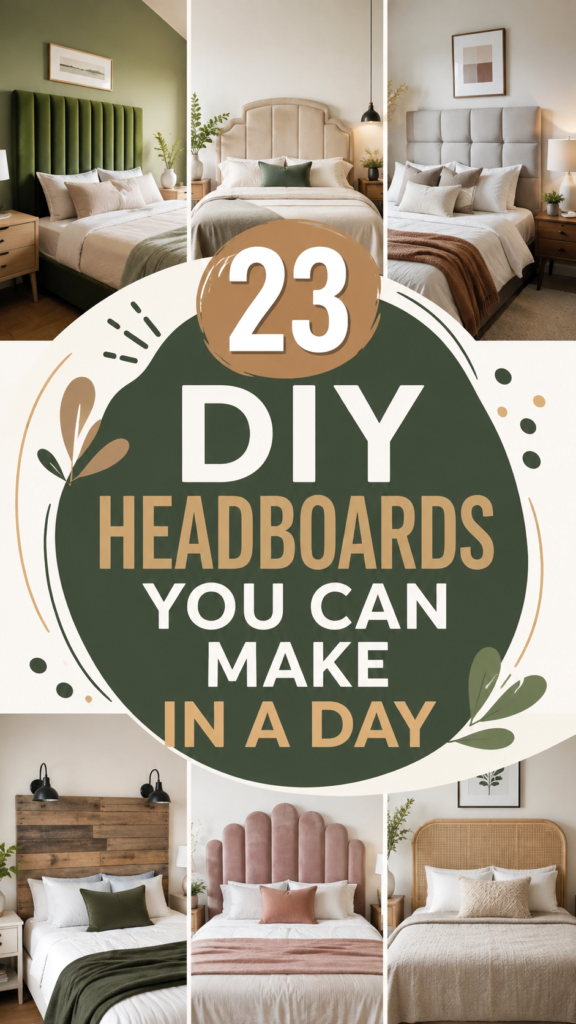
Refreshing a bedroom does not always require a major renovation or an expensive furniture upgrade. A well-designed headboard can completely change the character of a room, adding height, texture, color, and a polished focal point behind the bed. These DIY headboard ideas show how many different directions you can take, from soft upholstered shapes and modern panels to rustic wood and natural woven textures.
The best part is that a DIY headboard gives you room to personalize the design around your existing bedroom. You can choose a color that complements your bedding, experiment with unusual shapes, or use simple materials to create a custom look. Whether your style is modern, cozy, rustic, minimalist, or softly feminine, there is plenty of inspiration for creating a headboard that feels intentional without looking overly complicated.
Key Takeaways
- A DIY headboard can become the main focal point of a bedroom.
- Simple shapes and neutral fabrics create an effortlessly modern look.
- Wood adds warmth and works especially well with cozy bedroom decor.
- Rattan and woven materials bring natural texture and relaxed character.
- Bold colors can transform a basic bed into a statement feature.
- Choose materials and dimensions that work with your existing bedroom layout.
Why DIY Headboards Make Such a Big Difference
The wall behind a bed often has a large amount of unused visual space. A headboard fills that space while creating a clear center point for the entire bedroom. Instead of letting the bed blend into the room, a thoughtfully designed headboard gives the sleeping area structure and personality.
It can also make a bedroom feel more finished. Even simple bedding can look more elevated when paired with a substantial upholstered, wooden, or woven backdrop. This is one reason DIY headboard ideas are so popular for bedroom makeovers. You can create the appearance of custom furniture without replacing the entire bed.
Important: The most successful DIY headboards are not necessarily the most complicated. A strong silhouette, suitable scale, and coordinated color palette can have more impact than dozens of decorative details.
23 DIY Headboard Ideas to Inspire Your Bedroom
1. Deep Green Channel-Tufted Headboard
A rich green upholstered headboard immediately creates a dramatic focal point. Vertical channels add height and visual rhythm, while the deep color gives the bedroom a cozy, sophisticated feeling. Pair it with white bedding and light wood furniture to keep the room balanced.
2. Soft Arched Upholstered Headboard
An arched silhouette is an easy way to make a bedroom feel softer and more decorative. A warm beige or cream fabric works beautifully with neutral bedding, natural wood, and understated accessories. The curved outline also breaks up the straight lines commonly found in bedroom furniture.
3. Modern Grid-Paneled Headboard
For a clean contemporary bedroom, consider a headboard made from evenly divided upholstered panels. The grid pattern creates a tailored appearance and works especially well in gray, taupe, cream, or soft brown. Keep the surrounding decor simple so the geometry remains the star.
4. Rustic Reclaimed-Wood Headboard
Wooden headboards are perfect for adding warmth and natural texture. A reclaimed-wood design can introduce variation through different tones and grain patterns. Combine it with crisp white bedding, simple lighting, and greenery for a relaxed rustic bedroom.
5. Blush Scalloped Headboard
Soft pink upholstery and rounded scalloped sections create a playful yet elegant look. This style is particularly effective when the rest of the bedroom uses restrained colors. Add cream bedding, warm wood, and one or two coordinating accent pillows for a cohesive finish.
6. Natural Rattan Headboard
Rattan brings an organic quality to bedroom decor. A rounded woven headboard can make the room feel lighter and more relaxed while adding plenty of texture. It pairs naturally with linen-look bedding, beige tones, plants, and other natural materials.
7. Vertical Slat Headboard
Wooden slats create a simple architectural effect without making the bedroom feel heavy. Arrange narrow boards vertically behind the bed for a clean modern look. The repeated lines can also visually emphasize ceiling height.
8. Oversized Fabric Panel
Instead of building a traditional furniture-style headboard, cover a large rectangular panel with fabric. This approach creates a broad upholstered backdrop and can be adapted to almost any color palette. Neutral fabric keeps it timeless, while a stronger shade creates a dramatic statement.
9. Minimalist Beige Headboard
A simple beige headboard can be surprisingly effective. Its appeal comes from proportion, texture, and softness rather than elaborate decoration. This is a great choice if you prefer a calm bedroom with layered neutral colors.
10. Tufted Square-Panel Headboard
Square tufting gives a bed a refined, hotel-inspired appearance. Choose a neutral upholstery shade and combine it with several pillows in slightly different textures. The result feels polished while remaining comfortable and inviting.
11. Rounded Pill-Shaped Headboard
Rounded corners soften the overall shape of a bedroom. A pill-shaped or generously rounded headboard works especially well in modern spaces where you want to avoid harsh edges. Use a textured neutral fabric for a sophisticated finish.
12. Cane-Inspired Headboard
Natural cane or woven-look materials create an airy backdrop that works beautifully with warm, earthy interiors. The open texture can make a bedroom feel less visually dense while still giving the bed a distinctive focal point.
13. Painted Wood Panel Headboard
A painted wood panel offers an easy opportunity to introduce color. Consider muted green, warm clay, soft blue, or another shade already present in the room. The simplest construction can become visually striking when the color is carefully chosen.
14. Fabric-Wrapped Foam Headboard
For a soft, comfortable option, foam covered with fabric can create a custom upholstered headboard. This approach allows you to control the thickness, shape, and finish. A neutral fabric can make the project especially versatile if you like changing bedroom accessories over time.
15. Full-Wall Headboard Feature
If you want maximum visual impact, extend the headboard effect beyond the width of the mattress. A wider wooden or upholstered backdrop creates a built-in appearance and gives the bed a stronger presence within the room.
16. Layered Wood Headboard
Use boards in different shades or orientations to create a layered rustic design. The natural variation adds depth without requiring complicated decoration. This style looks particularly welcoming with warm bedding and simple bedside furniture.
17. Neutral Vertical Channel Headboard
Vertical upholstered channels are a practical way to create height and repetition. Cream, oatmeal, beige, or light gray can keep the design calm and versatile. Add a few pillows in complementary shades to enhance the layered appearance.
18. Curved Statement Headboard
A dramatic curved outline can turn a basic bed into an architectural feature. Keep the fabric and surrounding colors relatively quiet so the silhouette remains noticeable without overwhelming the room.
19. Two-Tone Headboard
Combine two complementary materials or colors for a customized look. For example, a natural wood frame can surround a soft upholstered center. This approach adds contrast while keeping the overall design coordinated.
20. Simple Plywood Headboard
Plywood can become an attractive minimalist headboard when its natural grain is embraced or finished with a subtle stain. Its straightforward shape makes it suitable for modern, Scandinavian-inspired, and warm minimalist bedrooms.
21. Soft Neutral Arch Panels
Individual rounded panels arranged side by side can create the appearance of a custom designer headboard. Using the same fabric across each section keeps the composition cohesive, while the repeated curves provide visual interest.
22. Textured Fabric Headboard
You do not need a strong color to make a headboard interesting. Bouclé-style, woven, linen-look, or other tactile fabrics can create depth through texture alone. This is especially effective in bedrooms built around a soft neutral palette.
23. Mix-and-Match DIY Headboard
One of the most creative approaches is to combine ideas. Think wood with fabric, rounded panels with a straight frame, or woven material with neutral upholstery. Mixing textures can produce a custom look that feels collected rather than mass-produced.
Expert Insight
Before choosing materials, look at the bedroom as a whole. The best DIY headboard design usually repeats at least one existing element, such as the wood tone of the nightstands, the color of an accent pillow, or the texture of a nearby rug.
How to Choose the Right DIY Headboard Style
With so many possibilities, it helps to narrow your choices based on the feeling you want to create. Start by identifying the strongest features already present in the room. If the space contains lots of wood, a wooden headboard may reinforce that warmth. If the furniture is simple and streamlined, an upholstered statement piece can add softness.
Consider Your Bedroom Color Palette
Neutral colors are an easy starting point because they work with many bedding combinations. Cream, beige, taupe, soft gray, and warm brown can create a peaceful foundation. If your room already feels very neutral, a muted green, dusty pink, or another carefully selected accent shade can add personality.
Think About Texture
Texture is one of the easiest ways to make a simple bedroom feel more sophisticated. Upholstery creates softness, wood introduces natural variation, and woven materials add an organic quality. Layering these textures through the headboard, bedding, pillows, and accessories can make the room feel warm without relying on excessive decoration.
Pay Attention to Scale
A headboard should relate visually to the size of the bed and the height of the room. A very small headboard can disappear behind layered bedding, while an oversized design can become the dominant feature. Step back from the wall and consider how much vertical and horizontal space the design should occupy before committing to the final dimensions.
Pro Tip: Create a simple paper or cardboard outline of your proposed headboard and position it behind the bed before building. This makes it much easier to judge the proportions and overall silhouette.
Materials to Consider for a DIY Headboard
The material you choose will influence both the appearance and the construction process. There is no single best option. The right choice depends on the style you want, the tools available to you, and how permanent you want the project to be.
- Wood: Ideal for rustic, modern, farmhouse, and minimalist designs.
- Plywood: A practical base for simple painted or upholstered projects.
- Upholstery fabric: Useful for creating soft, comfortable statement pieces.
- Foam: Adds cushioning beneath upholstered fabric.
- Woven materials: Great for natural, relaxed, and bohemian-inspired bedrooms.
- Paint: An inexpensive way to transform a basic wooden structure with color.
Simple Steps for Planning Your DIY Headboard
- Measure the bed area. Determine the width of the mattress and decide how far the headboard should extend beyond it.
- Choose the silhouette. Decide between straight, rounded, arched, paneled, slatted, or another shape.
- Select materials. Match your material choice to the look you want and the construction method you are comfortable with.
- Plan the finish. Think about paint, stain, upholstery, trim, or natural texture before assembling the project.
- Test the proportions. Use a temporary outline or mock-up to make sure the design looks balanced behind the bed.
- Style the finished piece. Add bedding, pillows, lighting, plants, and artwork that complement rather than compete with the headboard.
How to Style a DIY Headboard
Once the headboard is finished, styling is where the entire bedroom begins to come together. Start with the bedding. Crisp white bedding creates a clean backdrop for colorful or textured headboards, while warm neutral bedding can soften a bold design.
Next, add pillows in varying sizes and textures. You do not need a huge number of pillows. A few thoughtfully chosen pieces can create depth while keeping the bed comfortable and practical.
Bedside lighting is another important detail. Matching lamps can emphasize symmetry, while different but coordinated lamps can create a more collected appearance. Keep decorative accessories restrained if the headboard itself has a strong pattern or silhouette.
Add Natural Elements
Plants, branches, woven baskets, and natural wood accents work particularly well with DIY headboards. These elements can make a bedroom feel more relaxed and lived-in. Even a small amount of greenery can provide a pleasing contrast against upholstered or painted surfaces.
Keep the Surrounding Wall Simple
A statement headboard does not always need a gallery wall above it. In many of the most appealing bedroom designs, the headboard itself provides enough visual interest. Leaving some breathing room around it can actually make the shape feel more intentional.
Mistakes to Avoid When Making a DIY Headboard
A DIY project becomes much easier when you plan for the common problems in advance. Avoid choosing a design purely because it looks attractive in a photograph. Consider whether the style fits your room, whether the dimensions work, and whether you have the appropriate materials and skills to complete it.
- Do not choose a headboard that is too narrow for the bed and surrounding furniture.
- Avoid using too many competing colors or patterns in a small bedroom.
- Do not overlook the importance of a secure and stable installation.
- Avoid making the headboard so decorative that it overwhelms the bedding.
- Do not forget to consider cleaning and long-term maintenance when selecting fabric or materials.
Why These DIY Headboard Ideas Work for Bedroom Makeovers
The strength of these ideas comes from their versatility. A headboard can be bold and colorful or quiet and understated. It can emphasize texture, introduce architectural lines, soften the room with upholstery, or add natural warmth through wood and woven materials.
More importantly, a headboard allows you to focus your decorating budget and creative energy on one highly visible area. Instead of replacing every piece of bedroom furniture, you can transform the wall behind the bed and let the rest of the room support that new focal point.
For anyone searching for affordable bedroom makeover ideas, DIY furniture projects, or creative bedroom decor, a custom headboard is an especially useful project to consider. The finished piece can look highly personalized while still fitting into a wide range of decorating styles.
Quick Points
- Use shape to create a strong focal point.
- Use texture to make neutral bedrooms feel richer.
- Use wood for warmth and woven materials for natural character.
- Use color strategically rather than covering the entire room.
- Match the headboard scale to the bed and bedroom proportions.
Conclusion: Create a Bedroom Headboard That Feels Like Yours
The right DIY headboard can make an ordinary bedroom feel thoughtfully designed without requiring a complete makeover. Whether you prefer a deep green upholstered statement, a soft curved panel, a rustic wooden backdrop, or a natural rattan design, the possibilities are broad enough to suit almost any decorating style.
Start with the mood you want, consider the colors and textures already in your room, and choose a design that feels achievable for your space. You do not need complicated construction or expensive materials to create something impressive. A simple silhouette, carefully selected finish, and thoughtful styling can make all the difference.
Save your favorite DIY headboard ideas, sketch out a few possibilities, and begin with the design that best fits your bedroom. A small weekend project can become the feature that completely changes how the room feels.
Tags
DIY Headboard Ideas DIY Headboard Bedroom Makeover DIY Bedroom Decor DIY Furniture Bedroom Decorating Ideas Budget Bedroom Ideas Home DIY Projects